Service as Infrastructure: The Heart of a Blissful Business

Service is usually treated as an initiative. A day of volunteering. A donation drive. A line item in a corporate responsibility report. That framing is too small for what service actually does.
Service is infrastructure. It is the connective tissue that holds teams together, keeps communities resilient, and gives people a reason to care about something beyond themselves.
On The Bliss Business Podcast, we sat down with Julie Budkowski and Brian Baird of the National Museum and Center for Service to explore service and shared purpose as a foundational system, not a seasonal activity. Brian is the founder and executive director of the National Museum and Center for Service and a former member of the U.S. House of Representatives. Julie is the managing director, with more than fifteen years of experience scaling service learning initiatives and mission-driven programs.
Service Starts as a Daily Choice
Brian framed service as a decision people make every day. Are we going to be selfish, mean, and angry, or kind, generous, and compassionate. That choice shows up in how we structure our interactions, how we prioritize work, and how we define the purpose of what we are building.
He took it further. Service is not only personal. It is central to the strength of democratic societies. Democracies fail when people use the system to gain power for selfish purpose, then undermine the system itself. Service, in his view, is part of what protects the common good.
What stood out in his comments is the clarity. Service is not something we do after we win. It is part of who we are while we build.
The Most Overlooked Business Advantage Is Shared Purpose
There was a consistent theme running through the episode: people want to be part of something larger than themselves. That desire is not a soft preference. It is one of the strongest drivers of engagement.
Tullio made a point that is hard to ignore once you see it. Gallup’s data suggests that only about 31 percent of employees in the United States are engaged, and globally it is even lower. When engagement is that low, organizations are paying full salaries for partial contribution, and leaders still pretend this is normal.
Service changes that dynamic because it gives people a shared purpose beyond self. When people are united by something bigger than politics, ego, or internal competition, decisions get cleaner, conflict lowers, and culture becomes less fragile.
Service Has to Be Embedded in People Management
Julie brought the conversation down to the operational level, where most leaders get stuck. She argued that organizations frequently promote managers who are excellent at output but untrained in leading humans. Then they overload them with product goals and wonder why people burn out.
Her view was direct: train people managers to lead with the ethics of servant leadership, listening, awareness, empathy, adaptability, and give them the capacity to manage people well. If you want to stay business-minded about it, she even laid out the obvious metrics: engagement, turnover, progression, retention, and how people are growing.
This is the practical link between service and performance. If leaders treat people as cogs, service becomes performative. If leaders treat people as humans, service becomes culture.
Recognition Systems Are Usually Backward
Brian offered one of the most valuable critiques in the entire episode: how most organizations “honor service” is designed in a way that accidentally turns good people into losers.
The typical model goes like this:
-
Call for nominations
-
Forty great stories come in
-
A panel selects one winner
-
One plaque is handed out in a ten-minute segment at a private banquet
The intention is good. The outcome is weak.
His alternative is better and more scalable: honor service publicly and consistently. Display the stories inside headquarters. Rotate them on digital screens. Make service visible every day, not one night a year. Let employees learn what their peers are doing in the community and feel proud of where they work.
That shift changes culture because it stops making service a competition and starts making it a shared identity.
Service Builds Bridges Faster Than Debate
Julie added an important societal point. Service is one of the few shared values that can bridge political divides because it gives people a positive shared experience. When people do something together, they build bonds that talking alone often cannot create.
Brian reinforced that with a practical example: Rotary International. Their “service above self” principle and their four-way test create alignment around truth, fairness, mutual benefit, and goodwill. The deeper lesson is not about Rotary. It is about standards. If a business or a leadership team anchored decisions in shared service-based principles, it would change how people interact, even when they disagree.
This is one reason service functions like infrastructure. It creates social glue that conflict does not easily dissolve.
Telling the Story Is Not Bragging
A subtle but meaningful tension emerged near the end. Many people were raised to do good quietly, to avoid “tooting your own horn.” Tullio acknowledged that mindset, then pointed to a shift that feels necessary now. If only the negative stories are visible, people start believing the world is mostly selfish, mean, and falling apart.
The solution is not virtue signaling. It is authentic storytelling.
Companies do not need to polish service into marketing theater. They can let employees tell stories themselves, in their own voice, about what they did, who it helped, and why it mattered. That kind of narrative can influence others to step into service as well. It can reset cultural expectations away from hustle-only living and toward contribution and connection.
Love Is the Primary Role
The Love Question landed unusually well in this episode because both guests treated love as central, not optional.
Brian quoted a line often attributed to Khalil Gibran: work is love made visible. He framed love as caring about employees, families, the future, and the broader community, not only shareholders and executive bonuses.
Julie went even further. She said love should be the primary role in business because we spend so much of our waking life at work. People are not taking money with them at the end of life. They are taking relationships, meaning, and the feeling that their time mattered. Love shows up when leaders understand what different people value, why they are there, and how to support them as whole humans.
That is not sentimental language. It is a leadership standard for building a workplace people want to belong to.
Key Takeaways
-
Service is infrastructure. It strengthens culture, community resilience, and long-term performance.
-
Shared purpose reduces internal friction and increases engagement because people want to be part of something bigger than themselves.
-
Service must be embedded in people management through training, capacity, and metrics that measure human outcomes, not only product outcomes.
-
Recognition systems should honor many stories publicly and consistently, not just crown one winner once a year.
-
Service-based shared experiences build bridges faster than debate, especially in divided environments.
-
Authentic storytelling about service is not bragging. It can be a cultural counterweight to negativity and disconnection.
-
Love belongs at the center of business because work is where people spend much of their lives, and meaning matters.
Final Thoughts
Service becomes powerful when it stops being occasional and starts being structural. When it is visible, consistent, and tied to real purpose, it changes how people treat each other. It changes how leaders make decisions. It changes whether an organization feels like a machine or a community.
Julie Budkowski and Brian Baird are building a model that invites every business, school, and community to make service more visible and more normal. That is not only good for society. It is a smart way to build organizations people trust and want to stay part of.
Where to Go Next
Hear the full conversation on the episode page, watch it on the video page, or learn more about Julie Budkowski and the National Museum and Center for Service. Service as infrastructure isn't a slogan here, it's how they measure whether a culture is actually healthy.
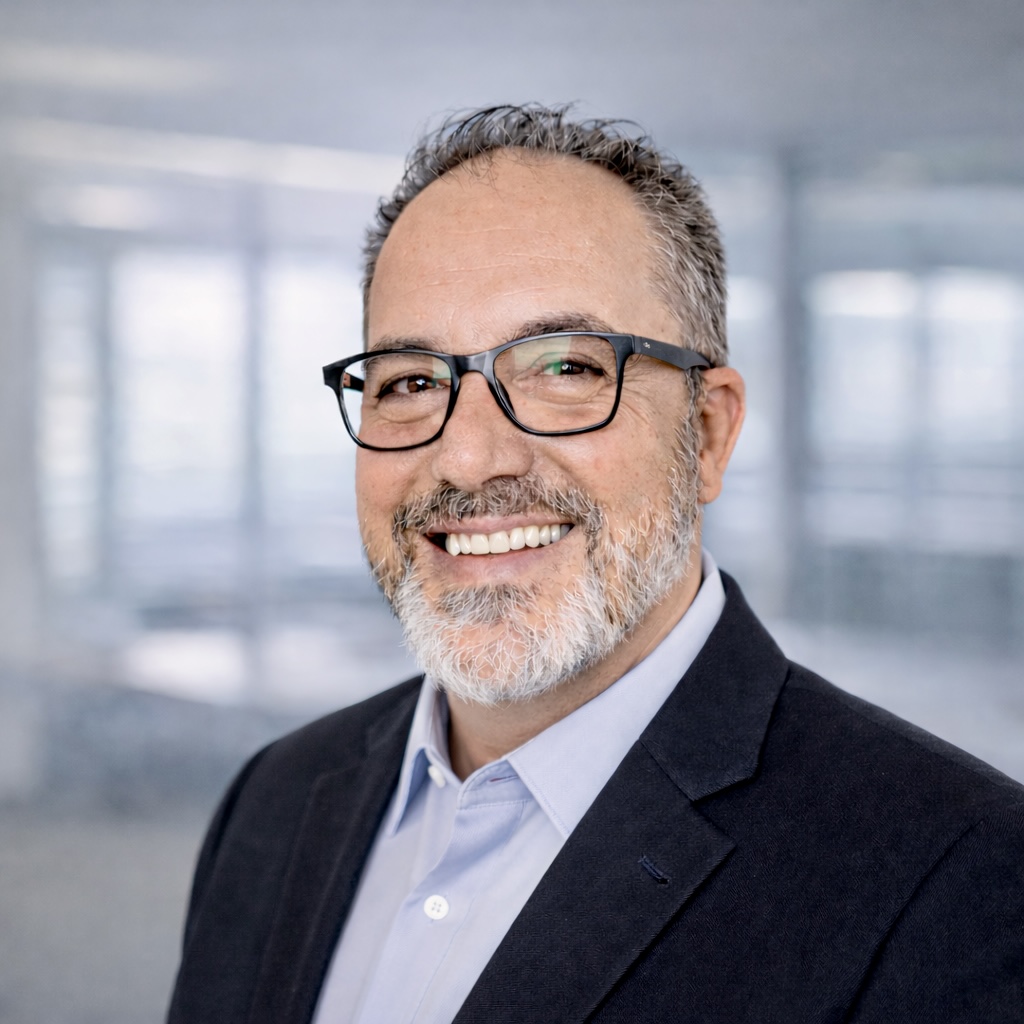
Executive Producer | Host | Blog Contributor
Tullio Siragusa is a strategic advisor, dynamic speaker, author, and EQ coach with 36 years of experience as a technology disruptor rooted in Design Thinking. Since 2018, he has been creating, producing and hosting live podcasts, interviewing over 1,000 C-suite executives across a wide range of industries. His work behind the mic reflects his larger mission: using conversation as a catalyst for human-centric innovation.
Tullio’s commitment to purpose-driven leadership and ethical transformation is reflected in his advisory roles at the University of California, Riverside’s Design Thinking Executive Program, and the University of San Francisco School of Management’s Digital Marketing Program. As a Board Advisor at AI2030.org, he helps guide the responsible advancement of AI toward ethical and sustainable outcomes. A founding member of RadicalPurpose.org, Tullio believes empathy isn’t just a trait, it’s a non-negotiable foundation for leadership.

Culture Becomes Real When It Becomes a System