Service as Infrastructure: The Heart of a Blissful Business with Julie Budkowski & Brian Baird

Julie Budkowski, Managing Director, and Brian Baird, Founder and Executive Director of the National Museum and Center for Service, join The Bliss Business Podcast to make the case that service as infrastructure, not charity, is what holds teams, culture, and democratic society together.
Service as infrastructure sounds abstract until you see what happens without it: disengaged teams, invisible contributions, and a culture that talks about values without living them. In this episode of The Bliss Business Podcast, hosts Stephen Sakach and Tullio Siragusa welcome Julie Budkowski, Managing Director, and Brian Baird, Founder and Executive Director of the National Museum and Center for Service, to make the case that service isn't a program, it's the operating system underneath healthy organizations and democratic societies alike.
In this episode we explore:
• Why service is a foundational daily choice, not a seasonal initiative
• How the 250th anniversary of the Declaration of Independence reframes service as civic infrastructure
• Why most people-management training misses the human side of the job
• What Gallup's engagement numbers actually cost a business
• Why most service recognition programs quietly turn good stories into losers
• What role love should play in business
Service Is a Daily Choice, Not a Seasonal One
“Are we going to be selfish, mean, and angry? Are we going to be kind, generous, and compassionate? We make that choice every day,” Brian Baird says, framing service as the foundation of both personal identity and democratic society. He points to the Declaration of Independence itself, “we mutually pledge to each other our lives, our fortunes, and our sacred honor,” calling it one of the most powerful calls to service ever written.
Most People-Management Training Misses the Human Part
Julie Budkowski locates the gap inside day-to-day operations. Organizations promote people who are excellent at their jobs into management roles, but “maybe aren’t necessarily as good at managing people, and we don’t give them the skills and tools for that.” Her fix runs through metrics as much as culture: track employee engagement, turnover, and progression the same way the business tracks revenue. Tullio ties the cost directly to Gallup’s research: only 31% of U.S. employees are engaged, worse globally, which he frames bluntly as “paying people a full year salary to produce three months worth of work.”
Most Recognition Programs Turn Good People Into Losers
Brian’s sharpest critique targets how organizations “honor” service. The typical model, he says, takes forty genuine nominations for a service award and turns “39 of the 40 into losers,” crowned by one plaque at a private banquet. His alternative: recognize service publicly and continuously, through rotating stories on office walls and screens, so the culture, not one prize winner, carries the value.
That same instinct, telling the real story instead of polishing one, is what Zero Company helps organizations put into their own marketing and brand storytelling: authentic proof beats a highlight reel every time.
Key Takeaways
• (2:42) Service is a daily choice that defines both individuals and democratic societies: “Are we going to be selfish, mean, and angry? Are we going to be kind, generous, and compassionate? We make that choice every day.”
• (7:57) The biggest people-management gap is training: leaders “aren’t necessarily as good at managing people, and we don’t give them the skills and tools for that.”
• (14:45) Only 31% of U.S. employees are engaged (21% globally, per Gallup), which Tullio frames as “paying people a full year salary to produce three months worth of work.”
• (15:51) Turnover cost runs “from $20,000 to $200,000 for a single employee,” making people investment a financial argument, not just a values one.
• (20:03) Most service-award programs quietly punish good people: “you started with 40 good stories of service, and then you took some really good people to turn 39 of the 40 into losers.”
• (46:07) “Work is love made visible,” Brian says, quoting Khalil Gibran, on what role love should play in business.
FAQ
What does "service as infrastructure" mean?
Julie Budkowski and Brian Baird of the National Museum and Center for Service argue that service isn't a seasonal initiative or a single award, it's a foundational system that shapes culture, leadership, and even democratic society, built through daily choices, not annual events.
Why do most employee service-recognition programs fail?
According to Brian Baird, typical programs take dozens of legitimate nominations and crown one winner, effectively turning the rest into "losers" honored for ten minutes at a private banquet. His fix is public, continuous recognition, stories displayed and rotated year-round, not saved for one night.
How does employee engagement affect the bottom line?
Only 31% of U.S. employees are engaged (21% globally, per Gallup), and turnover can cost $20,000 to $200,000 per employee, according to Julie Budkowski. Organizations that invest in people management, not just product outcomes, see the return show up in performance too.
Julie and Brian's core argument: service isn't charity, it's the infrastructure that holds teams, communities, and democracies together. Learn more about the National Museum and Center for Service and their free case studies and toolkits.
🎙️ Hosted by Stephen Sakach and Tullio Siragusa
🎧 Produced by Martha Huerta
Watch the video: Service as Infrastructure: The Heart of a Blissful Business.
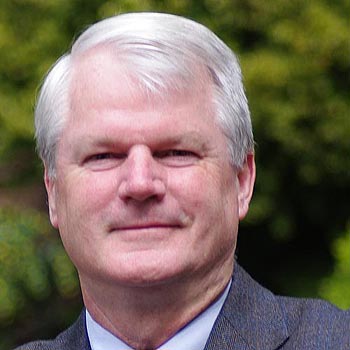
Founder & Executive Director
Brian Baird, founder and Chair of the National Museum and Center for Service, served twelve years in the U.S. House of Representatives (WA-3, 1999–2011). He holds a Ph.D. in Clinical Psychology and has worked as a clinician, author, university president, and advisor to the National Academies. Throughout his career, including visits with service members and community leaders at home and abroad, he has witnessed the profound impact of those who dedicate themselves to others—an experience that continues to shape his leadership and vision for NMCFS.
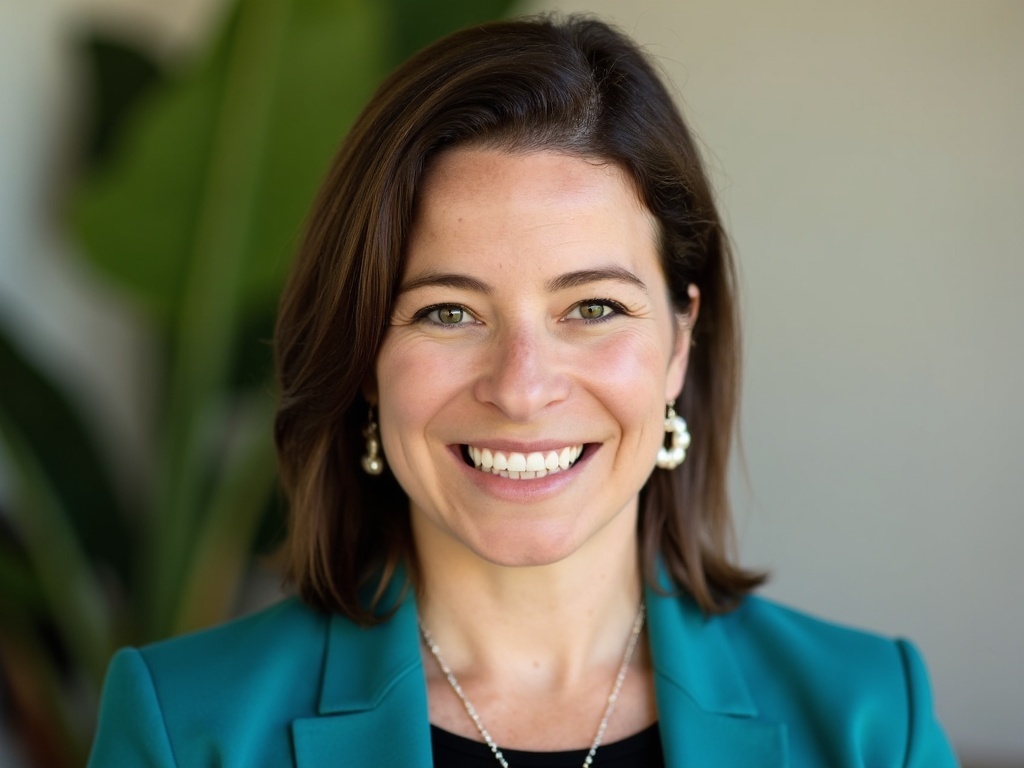
Managing Director
Julie Budkoski brings over 15 years of experience in education and nonprofit management, with a focus on scaling innovative, mission-driven programs. She holds an M.Ed from Griffith University and a Certificate in Change Management from Cornell University. Her leadership experience includes serving as Director of Programs at WE Charity, where she managed service learning initiatives across 4,000+ schools on the West Coast. Julie’s expertise supports strategic growth, operational excellence, and program development for the 250 & Beyond initiative, with a focus on empowering service and fostering meaningful community impact.