Stress-Free Grooming Is a Community Strategy
Pet care is one of the most emotional categories in business because the customer is not just buying a service. They are trusting someone with a family member.
That changes everything.
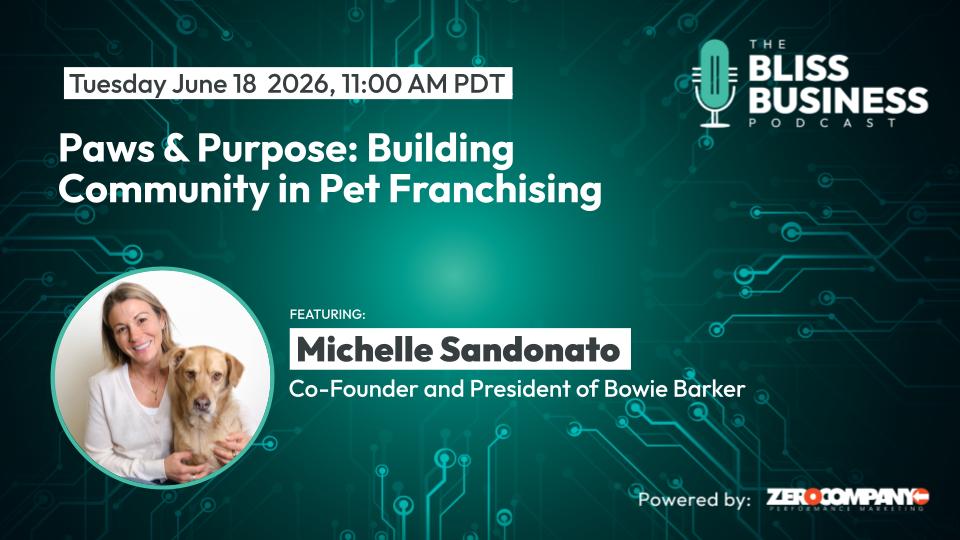
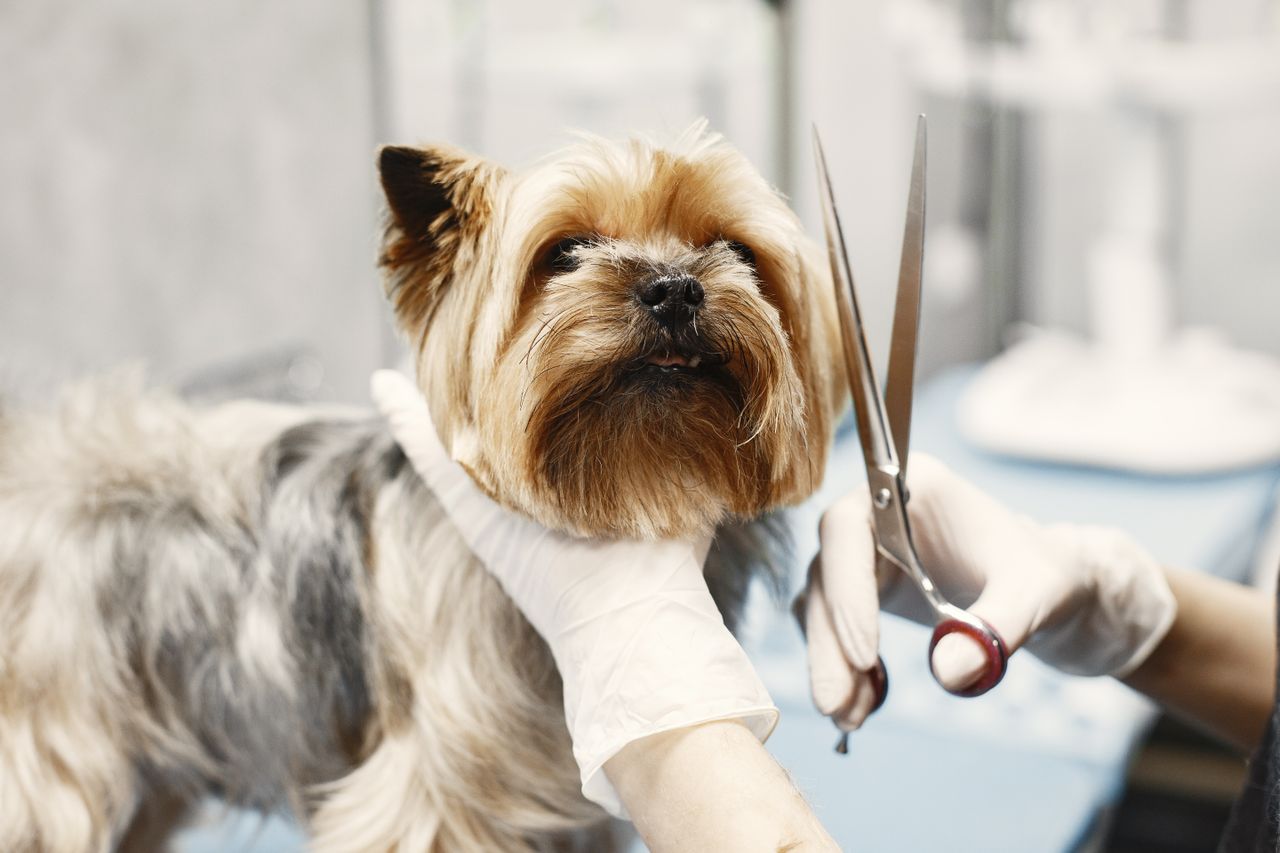
On The Bliss Business Podcast, we sat down with Michelle Sandonato, Co-Founder and President of Bowie Barker Bath and Groomery, to talk about building community and connection in modern pet franchising. Bowie Barker is a dog grooming brand founded in Los Angeles and designed around personalized care, thoughtful design, technology, membership-based services, and a more stress-free grooming experience for both dogs and pet parents.
Michelle’s perspective is rooted in a simple observation: traditional grooming can feel too transactional, too stressful, and too disconnected from what pet parents actually need.
Grooming Needed To Be Reimagined
Bowie Barker started with a problem many pet parents understand immediately. Michelle had a cocker spaniel who would put on the brakes when it was time to enter a traditional grooming location. She would have to carry him in.
That moment raises a question every pet parent has asked at some point: what is happening back there?
The issue was not necessarily that something bad was happening. The issue was that the experience did not create enough trust, comfort, or connection for the dog or the parent.
That insight became the foundation for Bowie Barker. The goal was not simply to create another grooming service. It was to create a more modern, transparent, and emotionally safe experience.
Empathy Starts With Hiring Dog Lovers First
Michelle made one point very clear: Bowie Barker hires dog lovers first.
That may sound obvious, but it is not always the standard in the industry. Skills can be trained. Grooming technique can be developed. But the instinctive love for dogs has to be there from the beginning.
Bowie Barker watches how candidates interact with dogs before they are hired. They go through bathing and grooming practicals. The goal is not only to assess technical ability, but to see whether they naturally connect with the dog.
That matters because the pet parent is watching too. If the parent sees that the team genuinely loves their dog, trust begins to form.
Empathy in this business is not a script. It is felt in how a team member kneels down to greet a dog, how they read body language, how they reassure the parent, and how they create a calmer handoff.
Premium and Warm Can Coexist
One of the strongest parts of Bowie Barker’s model is that premium does not mean cold.
Michelle described the experience as intentionally designed through technology, cleanliness, scent, transparency, and a modern environment. The goal is to make the process easier for the pet parent while also making the space feel welcoming for the dog and the team.
The detail about smell is more important than it sounds. When people walk in and immediately say, “It doesn’t smell like dog in here,” they are responding to care. A clean, fresh, thoughtfully designed environment tells the customer that standards matter.
The same is true for the team. People feel different when they work in a clean, well-designed, calm space. Better environments often produce better service.
Personalization Is the Product
Dog grooming cannot be treated like a vending machine.
Michelle explained that two dogs of the same breed can need entirely different levels of care. One dog may take an hour. Another may take three. An older dog may need more patience. A dog with matting may need a different plan. A rescue dog may need a slower, gentler experience.
This is why personalization matters. Bowie Barker uses technology to help determine timing, service needs, and care plans, but the point of the technology is to support a more human experience.
The model is built around the idea that every dog has different needs, and the business should make room for that reality.
Grooming Is Wellness, Not Vanity
The conversation also reframed grooming as part of a dog’s wellness routine.
For many dogs, especially breeds with hair that mats easily, regular grooming is essential to comfort and health. Dirt, dryness, skin irritation, and matting can create real discomfort. When grooming is neglected, dogs may eventually need to be shaved because the mats become painful and too close to the skin.
But Michelle also made an emotional point: people are physically closer to clean dogs. They cuddle more. They invite the dog onto the couch or bed. They put their face close and enjoy that fresh-groomed moment.
In that sense, grooming supports the bond between dog and human. It is not just about appearance. It is about closeness.
Emotional Safety Has To Be Designed
Bowie Barker designs for two customers at once: the dog and the pet parent.
If the dog feels safer, the parent feels safer. If the parent sees the team connecting with the dog, their anxiety drops.
Michelle described several intentional touchpoints:
-
Dogs are offered treats when they arrive, with allergies noted.
-
Team members get down to the dog’s level.
-
Every groomer or bather comes out to meet the dog before taking them back.
-
The team checks for any health or behavior changes before the service begins.
That pre-service greeting, called the Bowie Warmup, is a simple but powerful system. It gives the dog time to connect with the person providing care, and it lets the parent witness that connection before handing their dog over.
That is how trust becomes operational.
AI Can Create More Human Service
One of the most interesting insights from the episode was Bowie Barker’s use of AI phone support.
Michelle explained that she disliked seeing front desk team members stuck on the phone when a dog and pet parent walked in. That moment matters. The arrival experience is where trust begins. If the team is distracted, the emotional handoff suffers.
So Bowie Barker implemented virtual agents to help answer phones, not to remove humanity, but to protect it.
This is a strong example of how AI should be used in service businesses. The goal is not to replace human connection. The goal is to remove friction so the human team can be more present where presence matters most.
Self-Service Wash Builds Community
Bowie Barker also offers self-service wash stations, and the origin is rooted in empathy.
Customer research revealed that some pet parents avoid grooming because they feel embarrassed or anxious about how their dog will behave. They see their dog’s behavior as a reflection of themselves.
The self-service wash creates a middle ground. It gives parents access to a professional-quality space while allowing them to stay with their dog. That can be especially helpful for rescues, anxious dogs, or dogs that are not ready for full-service grooming.
It also creates community. Families come in together. Kids help wash the dog. Parents learn how to care for their pet. The experience becomes more than a service. It becomes a bonding ritual.
Franchising Works When Local Owners Build Local Trust
Michelle sees franchising as a way to bring Bowie Barker into more neighborhoods without losing the local relationship that pet care requires.
That local ownership matters. A corporate team in Los Angeles calling a rescue in Arizona will not have the same credibility as a local franchise owner walking in, building the relationship, and showing how the brand can help dogs get adopted.
Bowie Barker gives franchise owners tools to build partnerships with rescues before they open. Those partnerships help the business become part of the community early and provide real value through grooming, glow-ups, and adoption support.
That is how a brand becomes more than a storefront.
Freedom Within a Framework
Michelle used a phrase that captures the best of franchising: freedom within a framework.
Bowie Barker standardizes what must be consistent while leaving room for local expression. For example, most retail products are selected centrally to ensure quality and performance, but a portion is reserved for local makers, bakeries, and pet brands.
The same principle applies to social media. Bowie Barker manages Instagram to maintain a unified brand voice, while local Facebook pages give franchise owners room to build community-specific connections.
This is the balance every franchise system has to find. Too much control makes the brand feel corporate. Too little control creates inconsistency. The goal is a strong brand with a local heartbeat.
Key Takeaways
-
Pet grooming is a trust business because dogs are family.
-
Empathy starts with hiring people who genuinely love dogs.
-
Premium service should feel warm, not clinical.
-
Personalization is essential because every dog has different needs.
-
Grooming is part of wellness because it supports comfort, health, and emotional closeness.
-
Emotional safety can be systemized through intentional rituals like greeting, treats, and pre-service connection.
-
AI should be used to support human presence, not replace it.
-
Local franchise owners are essential to building authentic community trust.
Final Thoughts
Bowie Barker is a strong example of what happens when a service brand designs around emotional reality. Pet parents want convenience, but they need trust. Dogs need grooming, but they also need patience, comfort, and care.
Michelle Sandonato’s approach shows that empathy can be built into the model through hiring, training, technology, design, local partnerships, and daily rituals that make people and pets feel safe.
Stress-free grooming is not just a service promise. It is a community strategy.
Where to Go Next
Listen to the full conversation: Paws & Purpose: Building Community in Pet Franchising with Michelle Sandonato.
Watch the video: Michelle Sandonato on modernizing dog grooming.
Meet Michelle on her guest profile.
Read another pet-franchising founder's take on trust: Paws, Trust, and Franchise Growth with Nicole Peel.

Executive Producer | Host | Blog Contributor
Tullio Siragusa is a strategic advisor, dynamic speaker, author, and EQ coach with 36 years of experience as a technology disruptor rooted in Design Thinking. Since 2018, he has been creating, producing and hosting live podcasts, interviewing over 1,000 C-suite executives across a wide range of industries. His work behind the mic reflects his larger mission: using conversation as a catalyst for human-centric innovation.
Tullio’s commitment to purpose-driven leadership and ethical transformation is reflected in his advisory roles at the University of California, Riverside’s Design Thinking Executive Program, and the University of San Francisco School of Management’s Digital Marketing Program. As a Board Advisor at AI2030.org, he helps guide the responsible advancement of AI toward ethical and sustainable outcomes. A founding member of RadicalPurpose.org, Tullio believes empathy isn’t just a trait, it’s a non-negotiable foundation for leadership.

Visibility With Responsibility