Designing Business Cultures That People Want To Belong To

For years, culture was treated like a side effect. Leaders focused on strategy, financials, and operations, then hoped that a healthy culture would somehow emerge if the numbers looked good.
Reality is catching up. Research now shows that almost all executives say culture is vital to success, yet only a small fraction believe they have the right one in place. At the same time, employees are clear about what they want: a sense of belonging, purpose, and community at work, not just a paycheck and a job description.
Community is no longer a nice-to-have. It is a core part of the business model.
On The Bliss Business Podcast, we sat down with Paul Flick, Founder and CEO of Premium Service Brands, to explore how connection fuels performance in a multi-brand home services franchise network. His approach offers a very practical blueprint for leaders who want to move culture from posters on the wall into systems that people can actually feel.
Culture Is Built In The Everyday, Not The Offsite
It is tempting to think culture is created at big moments: annual meetings, leadership retreats, or launch events. Paul’s experience says otherwise.
He sees two core communities inside his business. The first is the internal team at head office. The second is the distributed community of franchisees and their local employees. Healthy culture, in both cases, is built in the everyday rhythms of communication, not in occasional grand gestures.
At Premium Service Brands, that looks like:
Quarterly company-wide calls that include all brands, all franchisees, and all employees
Brand-specific calls each month where leaders share what is working and where support is needed
Regular newsletters that keep everyone aligned on direction, priorities, and wins
These touchpoints might sound simple, but they add up. When people consistently hear the same message, see the same values, and are invited into the same story, culture becomes something shared rather than something assumed.
Communication As The First Community System
Paul is blunt about the central role of communication. It is not a “soft skill.” It is a system.
Franchisees are spread across markets, each with their own challenges and opportunities. Without deliberate communication, it would be easy for them to feel like isolated small business owners rather than part of a larger community. To counter that, Premium Service Brands invests heavily in structures that make connection normal, not rare:
Closed digital groups where franchise partners ask questions, share solutions, and support one another
Franchise Advisory Councils that meet regularly and have real influence on major initiatives
Pilot groups that test new tools or programs before system-wide rollout
The result is a flatter organization by design. Franchisees can reach senior leaders directly. Team members can walk into Paul’s office without navigating layers of hierarchy. Ideas move in both directions, which builds trust.
Community stops being a slogan when communication becomes two-way, frequent, and transparent.
Autonomy, Trust, And Real Flexibility
Internal culture often shows up most clearly in how a company treats time.
At Premium Service Brands’ head office, autonomy is the default. Employees have:
Generous holiday time built into the calendar
Unlimited paid time off when expectations are met and results are delivered
The freedom to work remotely, even abroad, when it fits their role and responsibilities
The principle is straightforward. Set clear expectations. Make sure people know what success looks like. Then treat them like adults.
For Paul, this is not about being indulgent. It is about performance. When employees are trusted to handle family needs, mental health breaks, or travel without fear of punishment, they come back more focused and more engaged. The same philosophy carries into franchising practices. Franchise owners are given a framework, tools, and clear targets, then trusted to lead locally.
Autonomy and accountability are not opposites. They are partners.
Purpose That Extends Beyond Profit
Profit matters. Paul is very clear about that. He does not subscribe to the idea that purpose and profit sit on opposite sides of a scale. In his mind, they are deeply linked. The more successful the business, the more it can give back.
That belief is embodied in KidsLift, a philanthropic initiative that started with a simple act: filling backpacks with food for children who would otherwise go hungry over the weekend. Over time, KidsLift grew into a core thread in the company’s culture. Franchisees across the country run local programs that support children and families in their own communities, backed by structure and support from the central team.
Purpose shows up in several ways:
It gives team members a reason to care about results beyond the numbers
It differentiates the brand in crowded markets where basic marketing tactics all look alike
It offers franchisees a meaningful way to connect with their communities and live their values
For many in the younger generation, this is not optional. They expect their work to contribute to something bigger than shareholder value. Purpose-driven initiatives like KidsLift provide a clear, practical outlet for that energy.
Measuring Community Without Losing The Soul
Community can feel hard to quantify. Paul does not rely on guesswork. He looks at both formal metrics and softer signals.
On the formal side, Premium Service Brands regularly surveys franchisees about their satisfaction with departments, support, and direction. Those surveys guide decisions about training, tools, and leadership focus. On the softer side, he pays attention to things like convention attendance. When a high percentage of franchisees choose to show up in person, it is a strong sign they feel connected and see value in the community.
The point is not to reduce community to a dashboard. It is to acknowledge that if belonging is a strategic priority, it deserves the same level of attention and feedback as sales or operations.
Emotional Intelligence And Love As Leadership Standards
Underneath all of this is a deep commitment to emotional intelligence. Paul knows that franchisees and employees are carrying real stress: financial risk, family responsibilities, and personal challenges that do not show up in spreadsheets.
His advice is straightforward:
Assume you do not know what someone is going through until you listen
Create safe spaces for franchise owners to share fears and frustrations without being judged
Bring people back to their “why” when they get lost in day-to-day pressure
He believes that younger generations, especially, are less motivated by pure financial gain and more by meaningful work and contribution. They want leaders who understand that and who are willing to talk about purpose, not just performance.
When asked about love in business, Paul does not hesitate. Love, for him, looks like genuine concern for employees and franchisees, respect for the sacrifices they have made, and a deep sense of responsibility to support their success after they have invested their savings and trust in the brand.
Love is not a slogan. It is a leadership standard.
Key Takeaways
Culture Needs Systems, Not Just Slogans
Community and connection grow out of regular, transparent communication and clear structures, not occasional inspirational speeches.Communication Is The First Infrastructure Of Belonging
Calls, councils, pilot groups, and open access to leaders create a network where people feel informed, heard, and included.Autonomy And Accountability Can Grow Together
When expectations are clear, flexibility and trust become performance multipliers rather than risks.Purpose Amplifies Both Engagement And Differentiation
Initiatives like KidsLift turn profit into fuel for impact and give people a reason to care about growth beyond the balance sheet.Emotional Intelligence Is A Strategic Asset
Leaders who listen, understand context, and reconnect people to their why build more resilient teams and franchise networks.Love Has A Place In Business
Caring about people’s lives, honoring their sacrifices, and standing with them through hard seasons is not sentimental. It is the foundation of long-term loyalty.
Final Thoughts
Community and connection are no longer soft concepts that sit outside the “real work” of business. They are central to building organizations that people want to join, stay in, and grow with.
Paul Flick’s experience at Premium Service Brands shows that when you design culture intentionally, tether profit to purpose, and lead with empathy and love, you do more than create a positive atmosphere. You build a competitive advantage that is hard to copy, because it lives in the way people relate to each other every single day.
Check out our full conversation with Paul Flick on The Bliss Business Podcast.
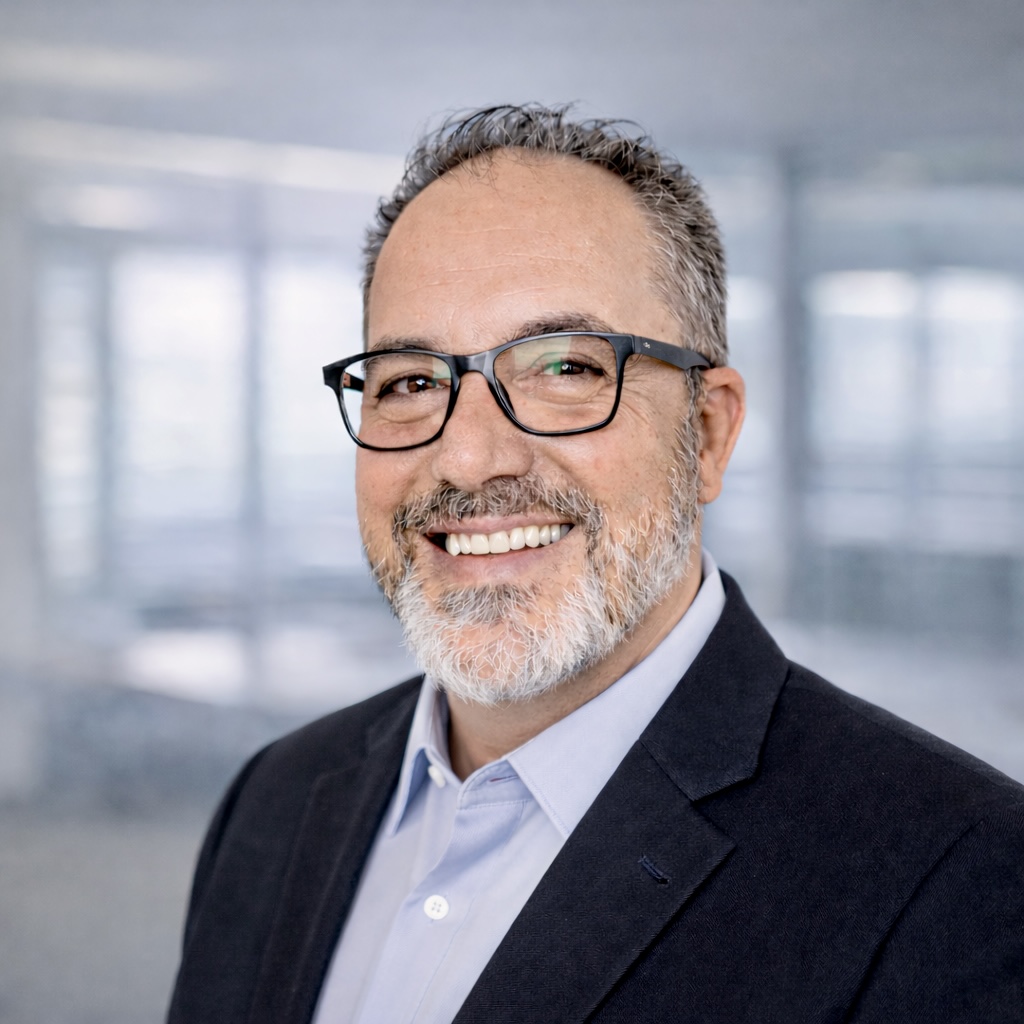
Executive Producer | Host | Blog Contributor
Tullio Siragusa is a strategic advisor, dynamic speaker, author, and EQ coach with 36 years of experience as a technology disruptor rooted in Design Thinking. Since 2018, he has been creating, producing and hosting live podcasts, interviewing over 1,000 C-suite executives across a wide range of industries. His work behind the mic reflects his larger mission: using conversation as a catalyst for human-centric innovation.
Tullio’s commitment to purpose-driven leadership and ethical transformation is reflected in his advisory roles at the University of California, Riverside’s Design Thinking Executive Program, and the University of San Francisco School of Management’s Digital Marketing Program. As a Board Advisor at AI2030.org, he helps guide the responsible advancement of AI toward ethical and sustainable outcomes. A founding member of RadicalPurpose.org, Tullio believes empathy isn’t just a trait, it’s a non-negotiable foundation for leadership.

The More You Measure, The More You Must Feel

