The Role of Empathy in Leadership with Kim Gubera

Kim Gubera, President and CEO of PIRTEK USA, joins Stephen Sakach and Mike Liwski on empathy and high standards. She visited every franchisee, asked them to tell her their story, then went home and rebuilt the support they had been missing.
Empathy and high standards are not opposites for Kim Gubera, and holding both is how she describes the job. Kim is President and CEO of PIRTEK USA, a hydraulic hose service franchise that has grown unit count more than 90 percent in the five years since she took the role in 2019. She came up through accounting, is a CPA with an MBA, and was the first woman to lead a hydraulic company in the world. She joined hosts Stephen Sakach and Mike Liwski.
In this episode we explore:
• A working definition of empathy that a leader can act on
• Why busyness is the biggest threat to it
• Holding standards and listening at the same time
• What reaching for the franchise agreement really signals
• The listening tour that reset a culture
• Why listening without delivering makes things worse
Kim, being an accountant, looked up the definition before answering, then simplified it to something usable: letting others know that you care. She is candid that this runs against her instinct, because her reflex is to jump to a solution, and the discipline she is still building is listening all the way through before offering one.
She names busyness as the main threat, not malice. Growing fast makes it easy to stop noticing the franchisee who has gone quiet or the employee whose behavior has shifted. In franchising that risk compounds, because two business partners can sit a thousand miles apart while something unsaid hardens into resentment. Her line about the contract is the one to remember: if you have to pull out the agreement, you have already hit a point.
The turning point was operational, not sentimental. Stepping into the CEO role in a male dominated industrial business with known culture problems, she went and visited every single franchisee and asked them to tell her their PIRTEK story. She heard anger, frustration, and tears, and found owners of five years or more who had never had an executive visit their location. She has done roughly 215 site visits since.
What makes the story useful is the second half. Listening created the diagnosis, then she went back to the home office and broadened the tools, training, and support that had been too narrow. Empathy is one part, she says, then you have to deliver, and then you replicate both at every level until nobody thinks hanging up on a franchisee is acceptable. For any brand, that is the gap between a promise and an experience, which is the gap Zero Company spends most of its time closing.
Key Takeaways
• (2:50) Her definition, deliberately plain: empathy is “the ability to understand and share the feelings of one another,” or more simply, “letting others know that you care.”
• (3:40) The discipline she is still building, against her own instinct: “you really have to stop, I think, and make sure you’re listening all the way and not just providing a solution.”
• (5:49) The balance she refuses to break: “you can’t be letting people do whatever they want. You also can’t be enforcing standards to the point that you’re not listening to what’s actually happening.”
• (9:17) On the relationship failing before the paperwork does: “If you have to pull out the agreement, we’ve already hit a point.” Mutual trust and mutual respect have to be built on day one.
• (13:35) Becoming CEO, she visited every franchisee and asked them to tell her their story. She heard “anger, frustration, tears,” and met owners of five years or more no executive had ever visited. Roughly 215 site visits later, she still goes.
• (17:30) The half most leaders skip: “empathy is one part, then you got to deliver.” She came home and upgraded the tools and support, then replicated the behavior down every level of the company.
FAQ
Can a leader be empathetic and still enforce standards?
Yes, and Kim Gubera argues you have to do both. Her franchisees know she will say no and hold brand standards, and they also know she will listen first and explain the reasoning behind the answer.
How do you rebuild trust with franchisees who feel unheard?
Kim Gubera went to them. She visited every franchisee, asked an open question about their history with the brand, listened to the anger as well as the praise, then changed the tools and support back at the home office so they could see something happen.
How do you keep empathy consistent as a company grows?
By making it a standard rather than a personality trait. Kim Gubera codified values and leadership behaviors, made it unacceptable to ignore or disrespect a franchisee, and applied the same expectation to how franchisees treat her team.
Empathy in leadership is not about lowering expectations. Hear the full conversation with Kim Gubera, watch it on the video page, hear PIRTEK CMO James Doyle on aligning marketing with growth, and find more on the Bliss Businesses series.
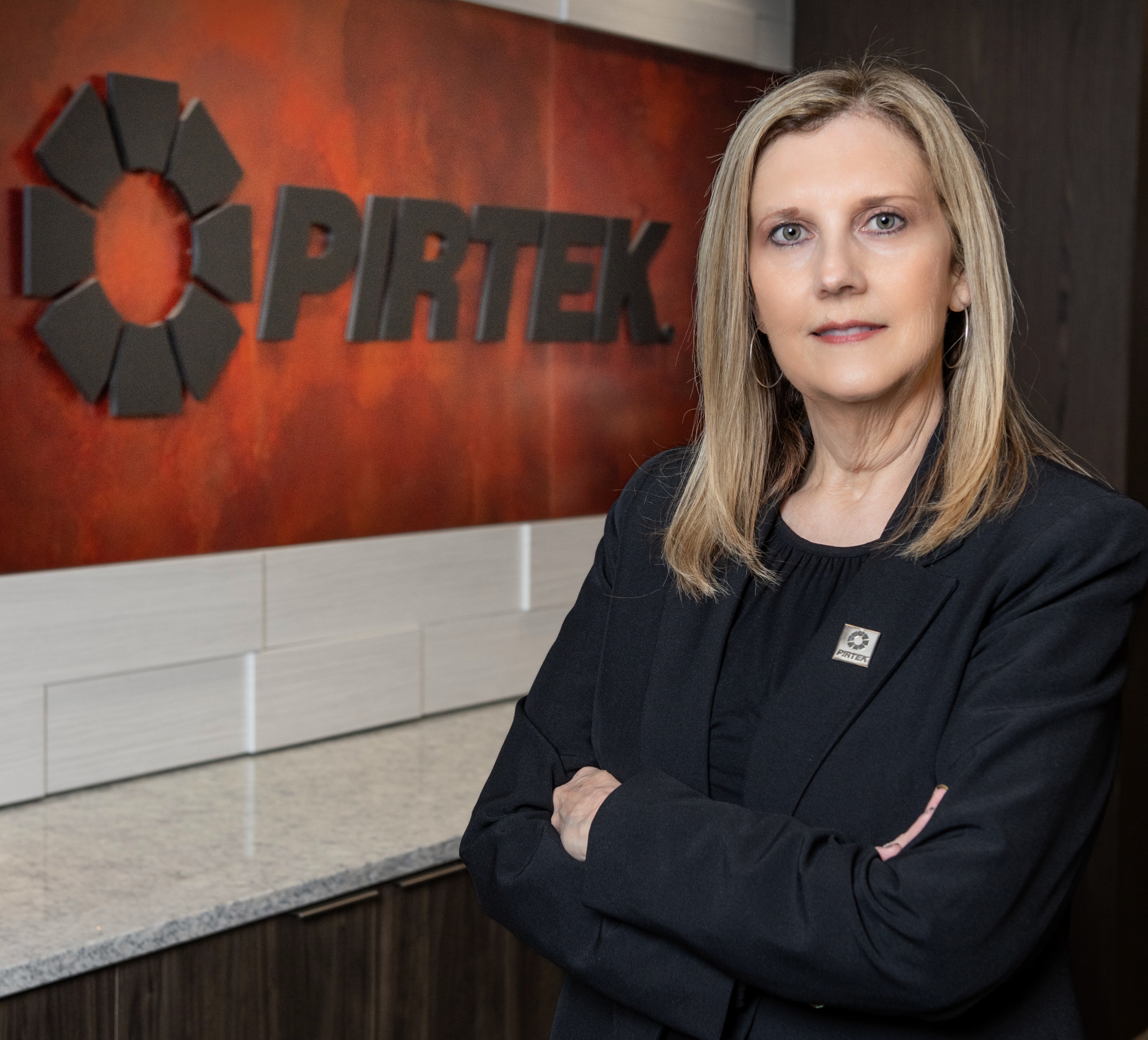
President & CEO of PIRTEK USA and PIRTEK Canada
As President and Chief Executive Officer at PIRTEK, Kim is responsible for the company’s operations. Bringing more than 20 years of franchising experience and leadership to her current role at PIRTEK, Kim is focused on developing the franchise network, ensuring outstanding franchise support, and driving profitable growth within the franchise system by keeping corporate employees and franchise owners working together fervently to achieve shared goals. Strengthening and expanding the Brand within the U.S. is the primary value strategy as brand strength is beneficial to both the franchisor and franchisee. Under her leadership, the brand has increased the number of units by 92.3% in five years.
Prior to joining PIRTEK, Kim began her career in accounting, earned an MBA, became a Certified Public Accountant (CPA), and worked her way up to Director of Finance at U.S. Lawns, another U.S. franchise brand. Kim joined PIRTEK in 2016, as the organization’s Corporate Controller. She was promoted to CFO and Vice President in 2018 and assumed her current role in January of 2019. Kim also holds the Certified Franchise Executive (CFE) designation from the International Franchise Association.