The Power of Emotional Intelligence in Business with Quinn Harwood

Quinn Harwood, professional certified coach and author of Growth Time, joins Stephen Sakach and Tullio Siragusa with a daily self awareness practice he calls the Midnight Mirror, plus the three levels of listening that decide whether a leader is building empathy or just performing it.
A daily self awareness practice is where Quinn Harwood says emotional intelligence actually gets built, not in a workshop. Quinn is a professional certified coach, speaker, and author of Growth Time, a coaching fable, with a path that runs through professional basketball, more than two decades in corporate leadership, and thousands of coaching sessions. He joined hosts Stephen Sakach and Tullio Siragusa to make emotional intelligence concrete enough to act on.
In this episode we explore:
• What emotional intelligence looks like in ordinary business situations
• The burn and the burnout that follow when it is missing
• The Midnight Mirror, a five question end of day reflection
• Why beliefs, not thoughts, are the engine under emotional regulation
• Three levels of listening and the one that builds empathy
• Two systems that scale emotional intelligence past personality
Quinn defines the core plainly: managing your own emotions, then reading, responding to, and influencing the emotions of others, with empathy sitting at the center. He argues the ground has shifted underneath leaders, because the workforce has moved out of what he calls the do your job generation and now expects the why behind the what.
When it is missing, he does not describe a vague culture problem. He describes pain, in two layers. The individual leader lives a more stressed, less connected life. Then it spills outward as what he calls emotional wakes, and the team gets the burn first, doubting whether the organization can be trusted, followed by the burnout, where people go sluggish and disengaged.
His tool for the individual layer is the Midnight Mirror. At the end of the day: what am I proud of, where did emotional tension show up, what triggered me, how did I respond, and what belief was driving that response. That last question is the one that does the work, and he backs it with an analogy worth keeping. Your thoughts are the fuel and your emotions are the pistons, but your beliefs are the engine, which is why regulating in the moment rarely works if the belief underneath was never examined.
On empathy he is refreshingly unsentimental: it is a listening skill you can train. Most people spend roughly 80 percent of their day in internal listening, filtering everything through how it affects them. Focused listening moves attention to the other person and asks what sits behind their words. He is equally clear that none of this scales on personality alone, which is why he points to two systems, mission centered leadership and a genuine feedback culture. That is the same conviction behind the work Zero Company does for brands: a message only holds up when the system behind it is built to keep it honest.
Key Takeaways
• (2:38) His working definition: emotional intelligence is “managing your emotions and then really looking at how you read, respond, and influence the emotions of others,” with empathy as the key lead. The context has changed too, because “we’re out of the do-your-job generation.”
• (4:09) When it is missing, “you cause pain, you create pain, and that leads to this world of disengagement.” He names the sequence: first the burn, where people doubt they can trust the organization, then the burnout.
• (6:20) The Midnight Mirror is his end of day practice: what are you proud of, where were the emotional triggers, how did you respond, and “what belief was driving that response.”
• (12:24) The regulation analogy: thoughts are the gasoline and emotions are the pistons, but “the engine itself is your beliefs,” which is why he asks “what belief is driving that emotion.”
• (22:34) On the three levels of listening, roughly 80 percent of our day is internal listening. Level two, focused or active listening, is “the biggest mover for growing in empathy.”
• (26:34) Two scalable systems: connecting people to mission, and a real feedback culture. In the fitness industry he stopped counting sign ups and started counting life changes, and his team began texting him “I changed another life.”
FAQ
What is emotional intelligence in leadership?
Quinn Harwood defines it as managing your own emotions, then reading, responding to, and influencing the emotions of others, with empathy at the center. He treats it as a trainable leadership skill, not a personality trait.
How can a leader build self awareness?
Quinn Harwood recommends the Midnight Mirror, an end of day reflection asking what you are proud of, where emotional tension showed up, what triggered you, how you responded, and what belief was driving that response.
How do you make emotional intelligence scalable across a company?
Quinn Harwood points to two systems: mission centered leadership that connects daily work to why it matters, and a feedback culture safe enough that people can hear the truth and grow from it.
Growth happens when intention meets action. Hear the full conversation with Quinn Harwood, watch it on the video page, and find more on the Bliss Businesses series. Quinn is on LinkedIn and at coachqharwood.com.
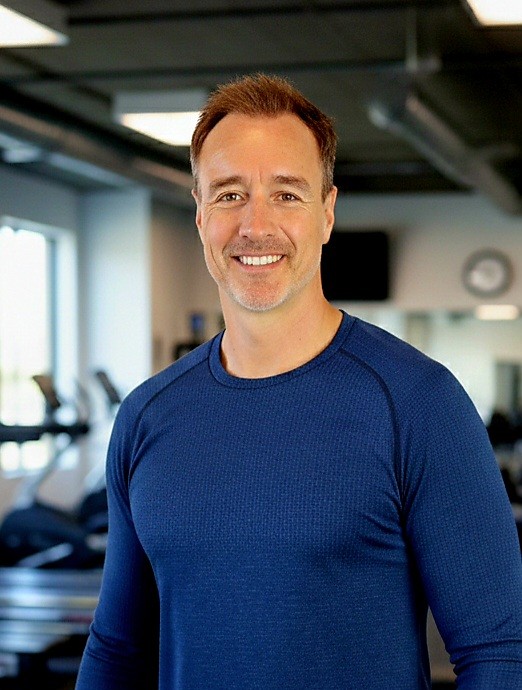
Coach/Author/Speaker
Quinn “Coach Q” Harwood is a Professional Certified Coach (ICF), speaker, and author of GrowthTime!: A Coaching Fable—The Clear Path to Unlock Your Best Life & Leadership. He’s passionate about empowering the NextGen of Mission Movers to make real impact. Drawing from a journey that includes professional basketball, more than two decades in corporate leadership, and thousands of coaching sessions, Coach Q helps emerging and established leaders break through barriers and lead with bold confidence. His mindset is rooted in faith, resilience, and the belief that growth happens when intention meets action.