The Power of Emotional Intelligence in Business with Jania Bailey

Jania Bailey, President and CEO of FranNet, joins Stephen Sakach and Mike Liwski on emotional intelligence in leadership. When a decision costs someone their life savings, reading the person is the job, not a soft skill beside it.
Emotional intelligence in leadership stops being abstract the moment a decision touches somebody’s life savings, and that is the room Jania Bailey works in. Jania is President and CEO of FranNet, one of the most established franchise consulting organizations in North America, which she joined in 2006 as President and COO before taking the CEO role in 2015. She has served on the executive board of the International Franchise Association, chaired its membership committee, and received the IFA’s Bonnie Levine Award in 2019 for her community work and mentorship of women in business. She joined hosts Stephen Sakach and Mike Liwski.
In this episode we explore:
• The conversation where saying no was the only ethical answer
• Polishing points, and why the words you choose for feedback matter
• Turning empathy into a meeting structure instead of a personality trait
• A boss who taught her exactly what not to be
• What your team reads into a leader having a busy week
• The assessment that stops people buying the wrong business
She was practicing this before the term existed. Early in her banking career in Paducah, Kentucky, a bank president told her he had never believed in intuition until he watched her read people on the job. She is clear now that what he was describing was emotional intelligence, and that it decides the climate a whole organization works in.
The hardest example is a young man who came to her about three months before the recording, determined to join FranNet and prepared to mortgage his house to do it. She looked at his balance sheet against a realistic six to nine month wait for a first placement and told him it could put him in bankruptcy inside six months. Her line is worth keeping: my conscience won’t let me say yes to you. She sent him away to build resources, and told him the door would be open when he was ready.
Her feedback vocabulary is the most portable idea here. She asks people whether they are open to a polishing point, which signals that nothing is wrong with them and a few rounded edges will help them shine. One team member described it back to her as being chewed out in a way that does not hurt, and leaving feeling better rather than worse.
None of it is left to good intentions. FranNet runs EOS style meetings that open with everyone’s personal and professional highs, so the CEO and the newest hire share the same airtime. A Living Our Values award runs annually with no cap on winners, but every nomination has to name a specific action, and the awards are given in front of franchisor partners and franchisees. Separate recognition goes to people serving their communities, from a charity run to a year round food pantry. That is what building love into scalable systems looks like when a business is deciding people’s futures for a living.
Key Takeaways
• (3:20) Before it had a name: a bank president in Paducah told her he never believed in intuition until he met her. “I do think it was my emotional intelligence kicking in, and how I read people.”
• (7:09) The kindest no: a young man ready to mortgage his house, a balance sheet that would not survive the six to nine months before a first placement, and one sentence, “my conscience won’t let me say yes to you.” Then: my door will be open when you’re ready.
• (11:06) The pause is a built skill, not a temperament. “In my 20s, I was a door slammer.” What sounds like calm now is years of deciding how she actually wants to handle something before responding.
• (11:17) Polishing points: “a polishing point is not you’re doing anything wrong, it’s just if we round off some of these rough edges, you’re going to shine even more.” A team member called it being chewed out in a way that does not hurt.
• (14:32) Empathy as structure: EOS style meetings that open with personal and professional highs so everybody has a voice, and a Living Our Values award with no cap on winners where each nomination must cite a specific action.
• (19:10) What culture does under pressure: two and a half weeks to convert a full in person spring meeting into a completely virtual one in March 2020, first in their industry, with 50 percent of partner fees refunded and the programme extended from two days to three.
• (22:19) The anti-example: a bank president who leaned into her doorway to ask whether she had covered her overhead today, and answered her largest ever account with a question about her pipeline drying up. “You were an income producer, and that’s all you were.”
• (27:29) Presence is never neutral: during budget season she came in fast and shut her door, and an employee arrived in tears convinced she had done something wrong. “She doesn’t care that it’s budget time.”
• (35:36) On love: “if you don’t love it, you don’t stick with it 20 years.” For her that meant first in and last out, and being as quick to take the trash out as anyone else.
FAQ
What does emotional intelligence in leadership look like day to day?
Jania Bailey of FranNet describes it as the pause before reacting, feedback that preserves dignity, and awareness that a leader’s mood is being read constantly. She notes a busy budget season once left an employee convinced she had done something wrong.
When should a leader say no to a deal?
When yes would harm the person. Jania Bailey turned away a candidate who planned to mortgage his house, because the realistic six to nine months before a first placement could have bankrupted him. Sometimes no is the kindest thing a leader can do.
What is a polishing point?
A way of framing constructive feedback so it lands as development rather than criticism. The leader asks permission first, then names the specific edge to round off, on the stated premise that nothing is wrong with the person.
How do you build empathy into company systems?
By making it structural. FranNet opens leadership meetings with everyone’s personal and professional highs, runs an annual values award with no cap on winners where nominations must cite specific actions, and separately recognises community service.
Reading people accurately is not a soft skill when the decision is somebody’s life savings. Hear the full conversation with Jania Bailey, watch it on the video page, hear Kelly Roddy on emotional regulation for leaders, and find more on the Bliss Businesses series.
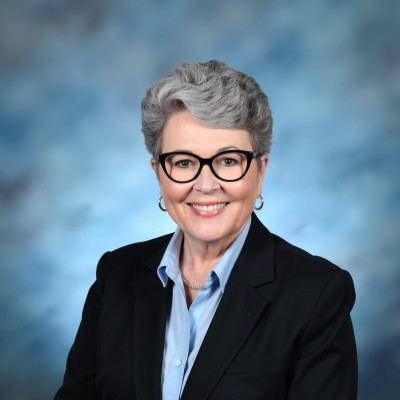
President and COO of FranNet
Jania Bailey joined FranNet in August 2006 as President and COO while the company was transitioning to new ownership. In 2015, Jania assumed the role of CEO of FranNet. Under her leadership, she led the company through unprecedented growth and has established FranNet as the most respected voice in the franchise consultant industry in North America.
Bailey served on the Executive Board of Directors for the International Franchise Association (IFA) for six years and is a certified franchise expert. She served for four years as Chairman of the IFA Membership Committee.
In 2019, Bailey was the recipient of the IFA Bonnie Levine Award for her contributions to the growth of the business, contributions to her community through board positions, volunteer work, and activities that promote the professional advancement of women, and her contributions as a mentor to women in franchising.