Connection Is a Resource Multiplier
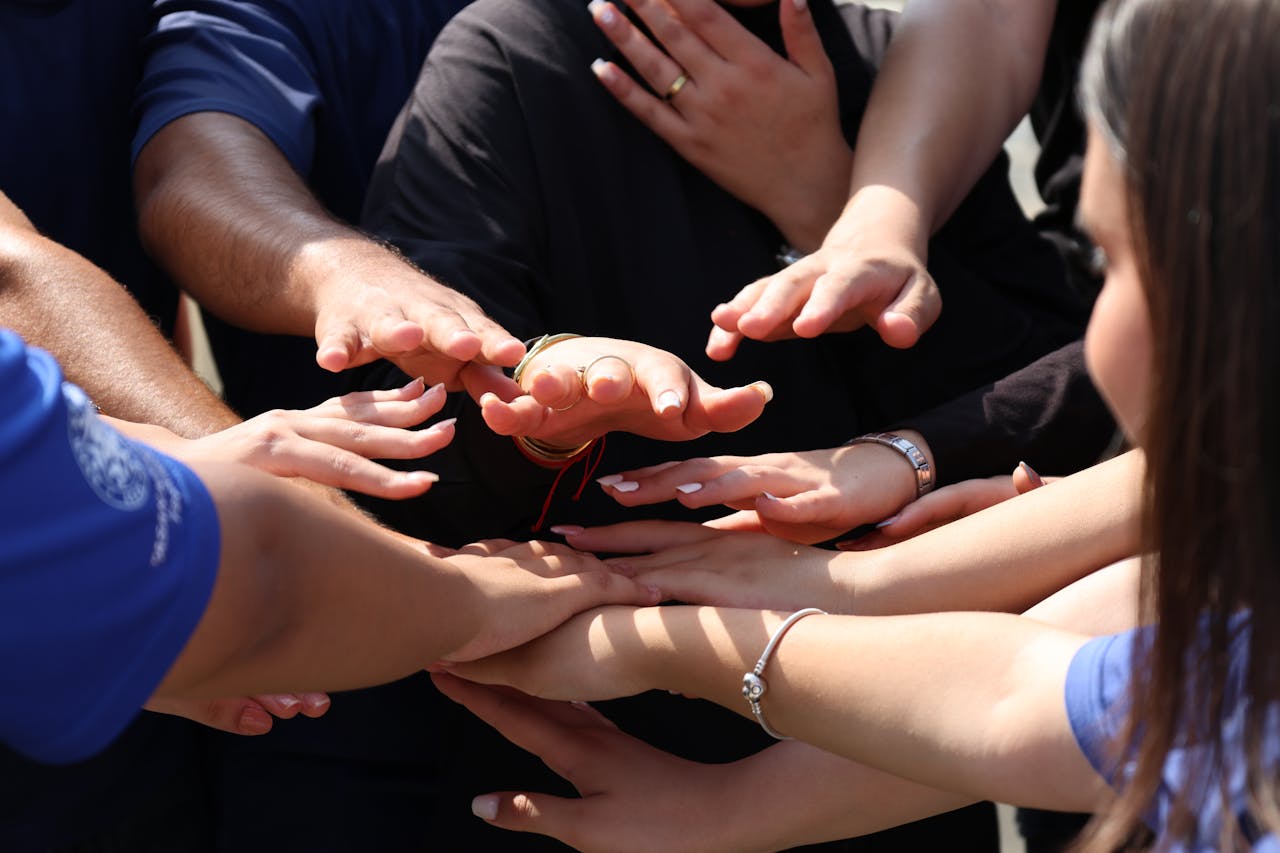
Community work often gets treated as charity, something a company does on the side once the “real work” is done. That mindset misses what is actually happening. Strong communities are built through access: access to resources, access to people, access to consistent support systems that make it easier for good work to keep moving.
On The Bliss Business Podcast, we sat down with Noah Smock, Director of Resource Development at ToolBank USA. Noah’s career in social justice began in Baltimore in 2008, including more than two decades as Executive Director of the Baltimore Community ToolBank. Today, through ToolBank USA, he helps equip nonprofits and first responders with tools, equipment, and expertise so they can serve their neighborhoods more effectively.
Radical Sharing Changes What Is Possible
Noah described the ToolBank model in plain language: shovels, drills, rakes, tables, chairs, Wi-Fi hotspots. The kind of equipment community groups constantly need, but cannot justify buying, storing, and replacing at scale.
The idea is simple, which is exactly why it works. When organizations can borrow high-quality equipment as needed, their budgets stop bleeding into overhead. The impact is not only cost savings. The deeper shift is imagination. Groups start designing bigger projects because the constraint of “we only have one shovel” disappears.
Community Building Starts With Authenticity and Listening
When asked what “building community” really means, Noah went straight to authenticity. Authenticity requires a point of view, then living in a way that matches it. It shows up in small daily choices, but it also shows up in how leaders respond to challenges.
He made a key distinction that is easy to overlook. Some people jump into solution mode before listening. Community-building done well starts with listening across sectors and then moving with intention toward solutions that reflect what people actually need.
The Misconception That Breaks Partnerships
Noah named a misconception that quietly damages community work: the belief that donors and funders should control the entire vision.
He is not anti-funding. He raises resources for a living. His point is about partnership. The people closest to the work often have the clearest view of what the community needs. The best outcomes happen when business, government, and nonprofit leaders each play their role, and the right local experts are centered in the decision-making.
Consistency Is the System That Sustains Impact
A powerful thread in the conversation was consistency. Noah told a story about a company that initially engaged meaningfully, then his contact left, priorities changed, and the relationship dissolved. Leaders rotated, strategies shifted, and what could have been a long-term partnership became a series of one-off attempts.
From the outside, inconsistent engagement signals something uncomfortable: the company is not serious. From the inside, it creates the same instability. Employees learn that community work is optional, dependent on whoever is currently in charge, and therefore not worth investing in deeply.
Noah contrasted that with a healthier model: build systems that outlast individuals. If volunteer time off, matching support, board participation, and community partnerships are part of the operating system, the work continues even when roles change.
Measure More Than Money
Noah offered a more complete way to think about measurement. Dollars matter, but mature systems also track time, talent, and testimony.
An engineer helping improve equipment systems is not the same value as a general volunteer hour. A company serving on multiple boards across multiple cities is a different level of commitment than writing a check once a year. The most useful measurement frameworks reflect the full range of contribution, not only cash.
AI as Due Diligence for Values-Based Work
AI came up in a practical way. Noah described using AI as a tool for faster due diligence when a company is considering aligning with a nonprofit or cause. Anything that can generate positive press can also generate negative outcomes if leaders skip the work of understanding an organization’s ethos, financials, and history.
His point was balanced. Leaders should not take every headline at face value. They should do real research. AI can help cover ground quickly, then humans apply judgment.
Purpose Lives in Stories, Not Reports
When the conversation moved to purpose, Noah shared the story that keeps him anchored. Early in his career, he toured a nonprofit as part of a sponsorship program and realized within months that community work was what he wanted to do “when he grew up.”
His purpose is driven by stories, not dashboards. He talked about lending something as simple as a debris sled to a homeowner whose house had burned down two days earlier so they could recover personal property. That is not a flashy metric. It is tangible dignity in a crisis.
That is what makes community work sustainable. People keep showing up when they can connect their effort to real humans, real outcomes, and a world they actually want to live in.
Key Takeaways
Shared resources multiply impact. When nonprofits can borrow tools and equipment, they stop paying for overhead and start scaling what is possible.
Authenticity and listening are the foundation. Rushing to solutions without listening weakens trust and results.
The best community work is cross-sector and locally centered. Funders are partners, not owners of the vision.
Consistency is what makes impact durable. If the work depends on one passionate employee, it will disappear when they leave.
Measure more than money. Time, talent, and leadership involvement often tell the real story of impact.
Stories sustain purpose. Reports inform, but stories create the emotional fuel that keeps people committed.
Final Thoughts
Community building is not a side project. It is a strategic choice to invest in the people and neighborhoods that ultimately shape the health of any business ecosystem. The leaders who treat it as a system, not a seasonal initiative, will build trust that compounds for years.
Check out our full conversation with Noah Smock on The Bliss Business Podcast.
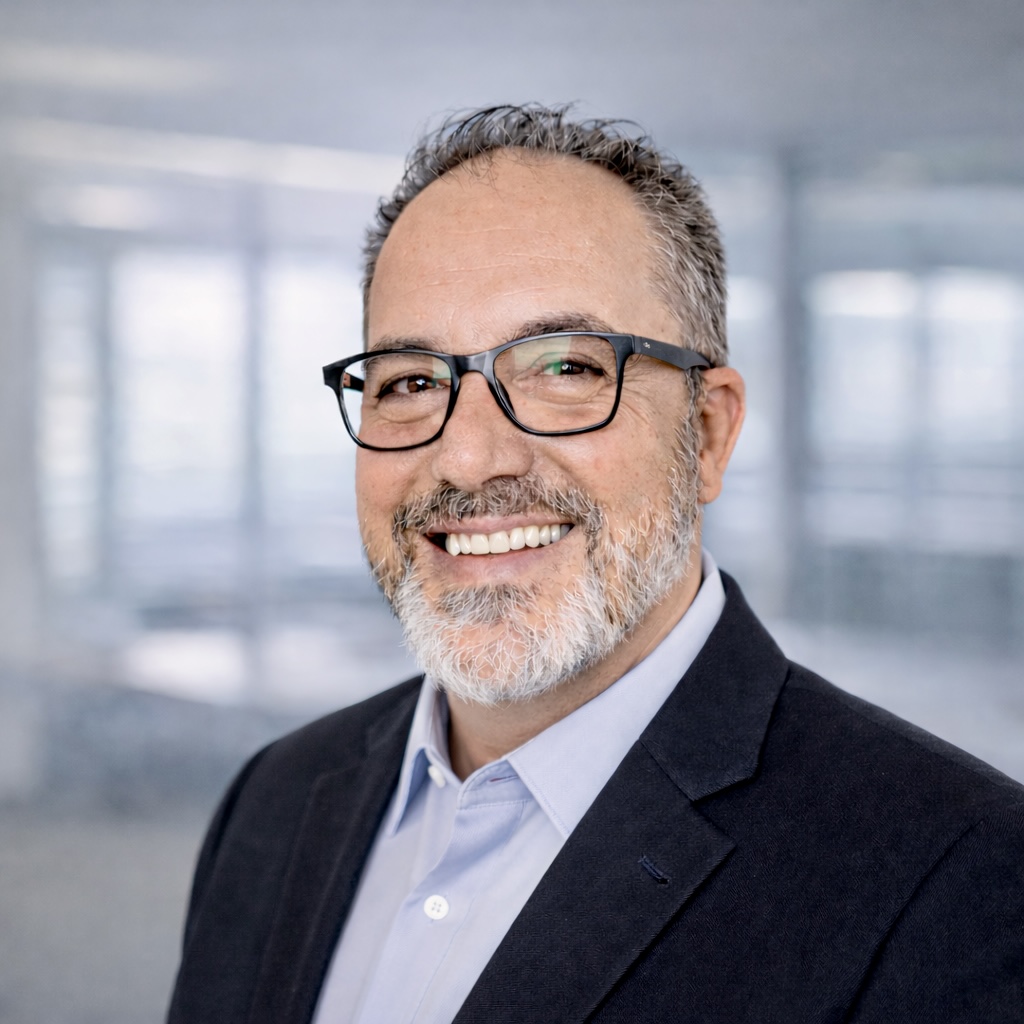
Executive Producer | Host | Blog Contributor
Tullio Siragusa is a strategic advisor, dynamic speaker, author, and EQ coach with 36 years of experience as a technology disruptor rooted in Design Thinking. Since 2018, he has been creating, producing and hosting live podcasts, interviewing over 1,000 C-suite executives across a wide range of industries. His work behind the mic reflects his larger mission: using conversation as a catalyst for human-centric innovation.
Tullio’s commitment to purpose-driven leadership and ethical transformation is reflected in his advisory roles at the University of California, Riverside’s Design Thinking Executive Program, and the University of San Francisco School of Management’s Digital Marketing Program. As a Board Advisor at AI2030.org, he helps guide the responsible advancement of AI toward ethical and sustainable outcomes. A founding member of RadicalPurpose.org, Tullio believes empathy isn’t just a trait, it’s a non-negotiable foundation for leadership.

Grace Is Strategy, Not Softness

