Innovative Work Models for the Future with Megan Braverman

Megan Braverman, Owner and Principal of Berbay Marketing & PR, joins The Bliss Business Podcast to explain how virtual firm culture gets designed rather than inherited, and why professional service firms that run on individuals instead of systems break at exactly the wrong moment.
Virtual firm culture does not survive a move out of the office unless somebody designs it on purpose, and that is the project Megan Braverman has been running for five years. In this episode of The Bliss Business Podcast, hosts Stephen Sakach and Tullio Siragusa talk with the Owner and Principal of Berbay Marketing & PR, a national award-winning agency building visibility and credibility for law, finance, and real estate firms, about what actually changes when the office goes away and the standards do not.
In this episode we explore:
• The hybrid hangover, and why asking people back without offering anything new fails
• Why Megan retired the phrase family firm in favor of friend firm
• Turning what lives in people's heads into documented, repeatable systems
• Why succession planning breaks when everything runs through one person
• Keeping a human bookend around AI so the work still sounds like someone
• Simplify, her one step for leaders rethinking how work gets done
Culture Had to Be Rebuilt, Not Relocated
Berbay had an office for more than two decades and has been fully virtual since 2021. Megan's point is that the culture did not carry over by itself: “that culture became even more intentional when we went virtual.” What made it hard was the part nobody schedules. “In the office, there was a lot of randomness and that was part of our culture, like random meetings, random trainings. You can't replicate that unless you're really intentional about it.” So she went looking for it deliberately: what are we doing in the office that I need to replicate virtually, and what does the virtual version look like.
She also changed the language she uses for it. She used to call Berbay a family firm when talking to candidates and stopped. “You can't choose your family, right? But you can choose your friends. You can choose your work.” The distinction is not decorative. A friend firm still runs on high accountability, autonomy, and clients relying on the team for their growth, but it does not ask anyone to accept dysfunction as loyalty.
Her view on why any of this is a business concern rather than a values concern is blunt: “If you have a bad culture, trust me, your clients can feel that. If your team is aligned, supported, that shows up in the work.” Or, as she put it a minute later, “people can just smell it from a mile away.”
Systems Are What Make a Firm Survivable
The last two years of her attention have gone into building systems that make the business scalable, and she is candid that this is a changed position: “I would not have said this five years ago.” In a creative agency, systems and creativity feel like opposites. She now argues the opposite. “At a certain point, you realize that the business can't rely on what lives in people's heads. If everything depends on the individuals, it's really hard to grow and it's really easy to break.”
Berbay's version is a firm-wide wiki documenting what they do, how they do it, and the standards behind it, built in six months under deliberate pressure rather than left to drift for years. That discipline is also what makes leadership transitions possible. Megan gets calls from heads of professional service firms who have not thought seriously about succession until it is a couple of years out, and by then the relationships, the decisions, and the know-how all live with one person. With playbooks in place, “clients will still have a consistent experience, teams know what to do,” and other leaders can step in without routing everything back through the founder. In a perfect world she would have firms start ten years ahead.
Authenticity Is the Constraint AI Just Made Tighter
On the external side, her argument is that culture and messaging can no longer be separated. “PR and marketing, it doesn't create something that isn't there. It amplifies what already exists.” When a firm's stated identity and its lived reality do not match, clients and employees see through it immediately, and trust is far quicker to lose than to build.
AI raises the stakes on both counts. Her rule is a human bookend: “Human touch from the beginning, AI in the center, human intelligence on the end.” AI drafts, organizes, and summarizes well, but the perspective, judgment, tone, and context have to be supplied. Meanwhile every conservative firm's website already looks interchangeable. Her test for differentiation is unsparing: “your differentiator cannot be like, we're tech forward. What does that mean? You have a computer and a printer?”
That is the same problem Zero Company runs into on the brand side: the message can only be as distinctive as the thing it describes, and the fastest way to sound like everyone else is to let a tool write what nobody has decided yet.
Key Takeaways
• (3:20) Megan Braverman on what the future of work means in practice: firms are standing up “directors of AI, internal AI committees, and just real conversations about what should be automated, what needs to stay human.”
• (3:20) Megan Braverman on the hybrid hangover, quoting a line she never traced back: bringing people back felt “like trying to put animals back in their cages after letting them roam free.”
• (3:20) Megan Braverman on why return-to-office mandates fail: “what are you offering in the office that they can't get home?” Flexibility without structure does not work, and the office without purpose does not either.
• (6:47) Megan Braverman on retiring a common phrase: she stopped calling Berbay a family firm and calls it a friend firm, because “you can't choose your family... but you can choose your friends.”
• (6:47) Megan Braverman on decision transparency: some calls she makes alone, some after consulting the team, some together, “but I communicate that upfront, so they know what they're participating in.”
• (11:01) Megan Braverman on rebuilding culture virtually: office randomness “you can't replicate unless you're really intentional about it,” so she audited what the office was doing and rebuilt each piece deliberately.
• (12:14) Megan Braverman on culture leaking into client work: “people can just smell it from a mile away... you can inherently just sense that there's something off if the culture is off.”
• (14:10) Megan Braverman on the shift she did not expect to make: “the business can't rely on what lives in people's heads. If everything depends on the individuals, it's really hard to grow and it's really easy to break.”
• (18:36) Megan Braverman on succession planning: firms call when it is already at their doorstep, and by then “it all lives with one person, the relationships, the decisions, how things get done. It's run on people, not systems.”
• (22:04) Megan Braverman on doing it well: a clear roadmap, the successor identified and genuinely capable, and the whole firm involved, because “everybody kind of has an oar to row.”
• (36:40) Megan Braverman on using AI without losing the firm's voice: “Human touch from the beginning, AI in the center, human intelligence on the end.”
• (40:31) Megan Braverman's one step for leaders: “Simplify... too many meetings, too many layers, too many emails, too many touch points.” Small changes to small processes move faster than an overhaul.
FAQ
How do you build culture in a fully virtual firm?
Megan Braverman of Berbay Marketing & PR rebuilt hers by auditing what the office used to provide, especially the unscheduled interactions, and deliberately designing a virtual equivalent for each one. Her point is that randomness cannot be replicated without intention, so culture in a virtual firm is a design job rather than an inheritance.
Why does succession planning fail at professional service firms?
Megan Braverman says it fails when the firm runs on people instead of systems: the relationships, the decisions, and the know-how all sit with one person, so there is nothing to hand over. Firms that document processes into playbooks can transfer leadership without clients noticing a change.
How should a firm use AI without sounding generic?
Megan Braverman's rule is a human bookend: human touch at the start, AI in the middle, human intelligence at the end. AI is good at first drafts, organizing, and summarizing, but the perspective, judgment, tone, and context have to come from a person.
Learn more about Megan Braverman at her guest profile. Read the companion post, Innovative Work Models Start With What You Refuse to Compromise. More from the Featured Guest Series.
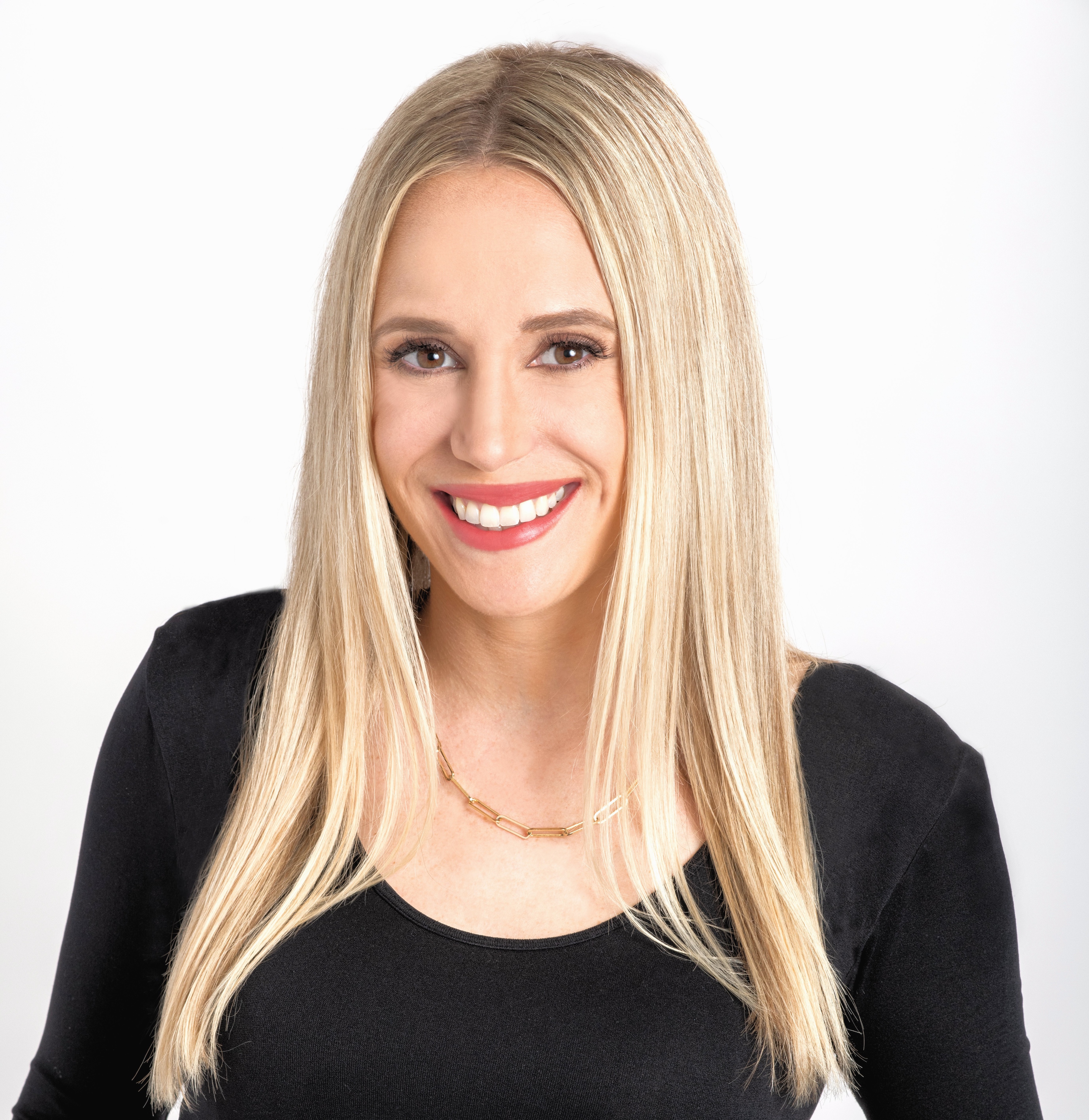
Owner & Principal
Megan Braverman serves as a strategic asset for law, real estate and financial services firms, and is known for her ability to execute successful marketing and public relations programs. While creativity, tenacity and her passion for the work is the driving force behind Megan’s ability to grow client’s businesses, she also has intimate knowledge of how professional service firms operate. This enables Megan to create campaigns that generate awareness, reinforce credibility and set clients apart from their competition. She keeps firms focused and navigates critical business decisions, such as succession planning, while advancing firm’s business objectives.
As Berbay’s owner, Megan also prides herself on creating a collegial and collaborative environment of skilled and dedicated professionals who are dedicated to creating outstanding results for clients and Berbay.
Megan graduated with honors from the University of Dayton in Ohio with a Bachelor’s degree in Marketing and Entrepreneurship. She is an active member of ProVisors and Agency Management Institute.