Marketing With Purpose Kit: Bringing Purpose and Empathy into Marketing
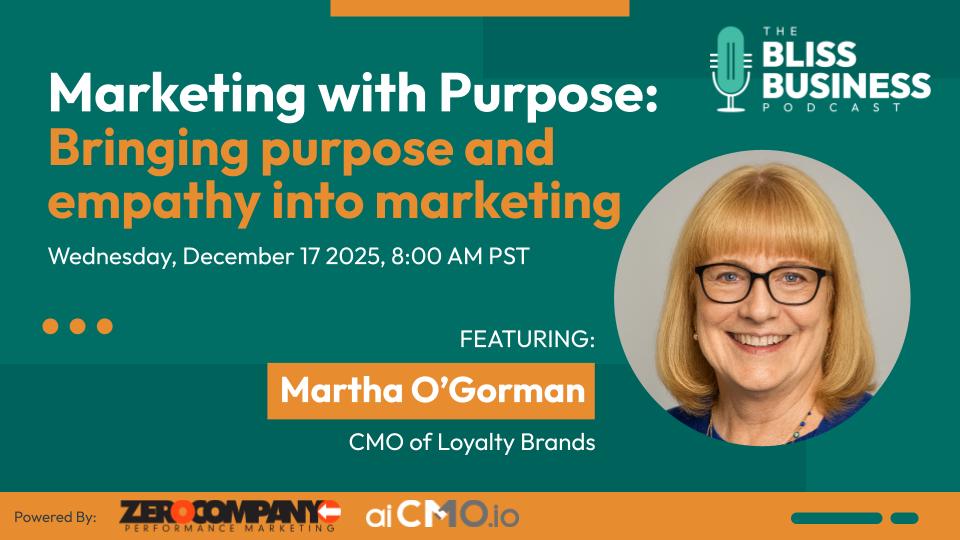
Martha O'Gorman, CMO of Loyalty Brands, joins Michele Brasfield on empathy in brand marketing. Three decades and 7,000 franchise offices taught her that marketing can reach a customer's heart, and that a 20,000 dollar mistake can be tuition.
Empathy in brand marketing is not a softening of strategy for Martha O’Gorman, it is where the strategy comes from. Martha is Chief Marketing Officer at Loyalty Brands and a Certified Franchise Executive who sits on the International Franchise Association’s Marketing and Innovation Committee. Across more than 30 years working alongside CEO John Hewitt, she helped grow Liberty Tax Service from zero offices to well over 7,000 before the two left to build Loyalty Brands and its portfolio spanning tax preparation, small business accounting, mobile pet grooming, and home services. She joined host Michele Brasfield on the Marketing With Purpose Kit.
In this episode we explore:
• What years of watching nervous first year franchisees changed about her marketing
• A 20,000 dollar mistake, and the response that kept her in the job
• Why marketing and sales break down, and how they stopped
• The one question she asks herself before any decision
• What actually retains good people, and it is not pay
• Community first marketing, and the phrase she uses for it
The empathy came from proximity. She spent years watching franchisees arrive terrified of their first tax season and grow into multi office operators with stories about customers they had carried through something stressful. Income tax preparation is complicated and frightening for the person on the other side of the desk, and that reframed what marketing was for. You can use it to reach customers, or you can use it to reach customers’ hearts, and only the second one builds a base that returns year after year.
The best story in the episode is a failure. Early in her career at Jackson Hewitt, transit advertising was working, so she redesigned the bus cards with an illustrated computer and soft rounded lettering. John Hewitt asked her to mount the old design on one side of a bus and the new one on the other, then drive it past headquarters. Everyone came outside to watch and voted on which was readable. The old yellow card with black type won outright. She offered her resignation, at 32 or 33, over a 20,000 dollar fix. His answer: do you think I just spent 20,000 dollars to educate you and I am going to let you quit.
Her operating question is one line, and she says she asks it daily before decisions: is this going to make our franchisees happy and successful. It comes from a culture she traces to John Hewitt and describes as people first, profit second. She adds her own image on top of it, that every franchise added to the system is another branch on a family tree, and she has watched franchisees join, marry, have children, and see those children enter the system too.
On measurement she is refreshingly unbothered. They have a CRM and they get leads from everywhere, and people routinely name a channel the company has never run. Her conclusion is that speed and a real conversation beat attribution, because no automation, no robot, and no AI will tell you why somebody actually called.
Key Takeaways
• (2:01) Where the philosophy came from: helping grow Liberty Tax Service from zero offices to well over 7,000, and watching franchisees go from afraid of their first tax season to serving their communities. Marketing, she realized, can reach customers’ hearts and not just customers.
• (5:31) The daily filter: “is this going to make our franchisees happy and successful?” Paired with her own image, that each new franchise is “adding a family tree branch,” with second generation franchisees now in the system.
• (10:14) On crisis: it “really shows you the character of the people within your organization.” Loyalty Brands has never faced one of real magnitude, and she is clear that having communication standards ready is the reason she can say that calmly.
• (12:30) The culture in four words, from John Hewitt: “people first, profit second.” She attributes the mentorship and kindness across the organization directly to it.
• (13:31) Where alignment fails: “it always breaks down between the marketing and the sales department.” Her image for the usual dynamic is a gaggle of geese fighting over the same piece of food, and the fix is a culture wide enough that nobody has to be perfect.
• (16:52) The bus card lesson: a redesign with soft rounded lettering lost a live readability vote against the plain yellow original, staged on two sides of the same bus. She offered to resign. He told her he had just spent 20,000 dollars educating her and was not letting her quit.
• (21:45) The limit of the funnel: people name channels the company has never run. “No automation, no robot, no AI is going to change that.” Call the lead fast and ask why they got in touch.
• (26:44) Community first marketing, in her words: “make the phones ring and the doors swing” by showing up in parades and sponsoring soccer teams, because people have to “know who you are, what you stand for, where you are, and what you do.”
FAQ
What does empathy in brand marketing look like in practice?
For Martha O'Gorman it means designing for the emotional state the customer arrives in. Tax preparation is stressful and confusing, so the marketing job is reassurance and clarity rather than volume, which is what turns a first visit into a customer who returns yearly.
How should a leader respond to an expensive mistake?
Martha O'Gorman offered to resign over a 20,000 dollar advertising misjudgment early in her career. Her CEO refused, telling her he had just paid to educate her. She has used that framing for the rest of her career, treating a costly error as tuition already spent.
What actually retains marketing talent?
Not money, in her experience. People want good leadership, transparency, and to know where they stand. She notes that employees who leave for higher pay often reappear a year or two later asking to come back.
What is community first marketing?
Positioning the business so its local operators are genuinely present in the community: parades, sponsored teams, visible participation. Martha O'Gorman argues it outperforms expensive broad advertising because people have to know who you are, what you stand for, where you are, and what you do.
People first, profit second is only a slogan until somebody refuses your resignation. Hear the full conversation with Martha O’Gorman, watch it on the video page, hear John Hewitt on conscious capitalism, and find more on the Marketing with Purpose Kit series.
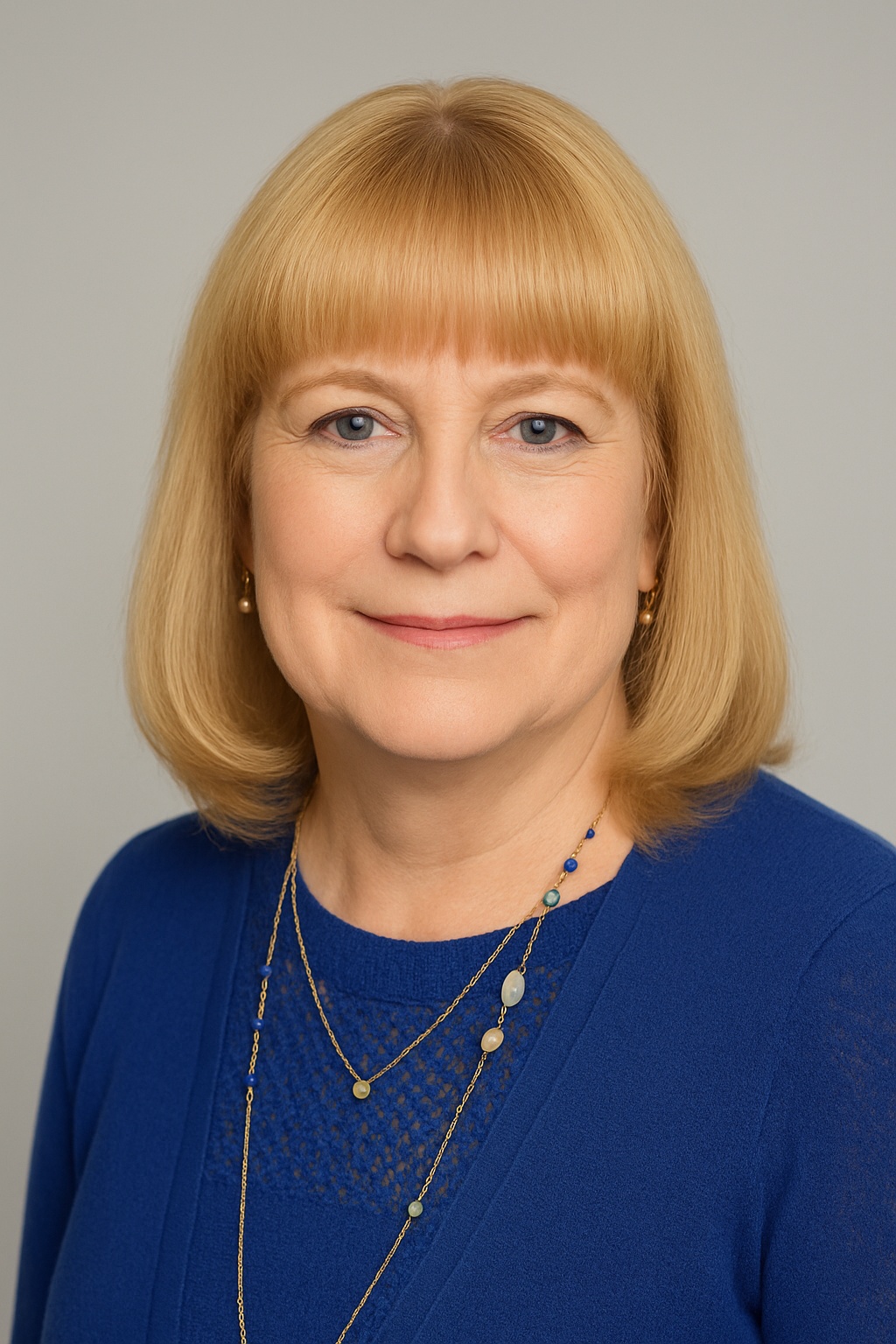
Chief Marketing Officer
Podcast Bio for Martha O’Gorman
Martha O’Gorman is one of the most influential marketers and brand builders in modern franchising. With more than three decades of experience shaping national brands and guiding entrepreneurs, she has earned a reputation for creating marketing that is both strategic and deeply human. Martha is a Certified Franchise Executive, a frequent speaker at franchise industry events, and an active member of the Marketing and Innovation Committee for the International Franchise Association, where she helps shape forward-thinking storytelling and brand strategy for the entire franchise sector.
As Chief Marketing Officer of Loyalty Brands, Martha oversees messaging and brand development for a growing ecosystem of franchise companies. Her work spans tax preparation, small business accounting, mobile pet grooming, roofing, property management, and other service-based industries. She is known for turning complex ideas into clear and compelling stories that attract investors, empower business owners, and elevate emerging brands.
Martha has crafted hundreds of brand launches, campaigns, and media narratives that have helped franchisees and franchisors reach new levels of success. Industry leaders often describe her as someone who can quickly find the emotional heart of a story and express it with clarity and purpose.
At the center of Martha’s life is a deep love for animals, a passion that influences both her work and her worldview. She believes animals teach us patience, compassion, and presence. Her dog Penny is not only her constant companio… Read More