What Every CEO Needs to Know About Workforce ROI with Mason Duchatschek

Mason Duchatschek, bestselling author and founder and CEO of Workforce Alchemy, joins The Bliss Business Podcast to expose the workforce profit leaks hiding in turnover, disengagement, and misalignment, and shows CEOs how to measure and fix them before they cost another dollar.
Workforce profit leaks never show up on a P&L, which is exactly why most CEOs never see them. In this episode of The Bliss Business Podcast, we sit down with Mason Duchatschek, bestselling author, workforce strategist, and founder and CEO of Workforce Alchemy, to explore how turnover, disengagement, and misalignment quietly drain a payroll.
🎙️ Hosted by Stephen Sakach and Tullio Siragusa
🎧 Produced by Tullio Siragusa
In this episode we explore:
• Why turnover and disengagement never show up on a P&L
• What it costs to replace an hourly, salaried, or executive employee
• How a Louisiana CEO sized a $4,000,000 a year profit leak
• Why resumes, interviews, and gut instinct stack the odds against you
• How skill, attitude and values, and behavior match a person to the job and the supervisor
• How imprinting on day one sets up a self-fulfilling prophecy
Replacing an hourly employee costs about 16% of annual salary, a salaried employee about 21%, and an executive 150 to 213%. On a $40,000 hourly role, that is $6,400 per hiring mistake. Engagement is the bigger leak: one client with a $10,000,000 payroll estimated his people ran at 60% discretionary effort, which Mason sized at roughly $4,000,000 a year.
On hiring, Mason says every traditional tool leaves a gap and looks at three things: skill (can they do the job), attitude and values (will they, and why), and behavior (how they do it). The other half of the match is the supervisor. His Tony Robbins river story makes the point: walk upriver to the cause instead of rescuing people downstream.
He also covers reverse engineering the top 50 of 500 salespeople, a review that puts both people on the same side of the desk, and the “imprinting” talk that shows a new hire a path to outstanding. On love, where trust and respect exist, the apathy he describes from Office Space does not take hold.
Whether the question is who to hire or which message reaches your next customer, Zero Company helps teams measure what matters first.
Key Takeaways
• (2:10) On why CEOs miss the cost: “they don’t see this stuff because it doesn’t show up on a P&L. Their accountants can’t point it out.”
• (8:29) On fixing causes instead of effects: “a lot of CEOs and business owners make the mistake of trying to solve their business issues from the shoreline.”
• (11:30) On hiring without full information: “It’s like playing Russian roulette without checking all the chambers of the weapon first.”
• (17:47) On what a motivated hire is worth: “if I’ve got one employee going full speed, because I’ve got a work ethic and they realize the job is a privilege, then that’s the same output as two people going half speed for half the price.”
• (35:57) On onboarding: “it establishes a self-fulfilling prophecy from day one that you can be outstanding here, not do a good job, but outstanding here, one of the best.”
• (39:37) On love: “in environments where there is love and there is trust and there is respect, those kind of conversations don’t take place.”
FAQ
What are workforce profit leaks?
Mason Duchatschek of Workforce Alchemy describes them as the costs of turnover and disengagement that never appear on a P&L. He puts replacement at about 16% of salary for an hourly employee, 21% for a salaried employee, and 150 to 213% for an executive.
Can training fix a bad hire?
Mason Duchatschek says job skills can be taught, but training has no value if a person lacks work ethic, reliability, or honesty. He recommends screening for skill, attitude and values, and behavior, and matching the person to the supervisor as well as the job.
How do you calculate what disengaged employees cost?
Mason Duchatschek compares pay with the work received: a $40,000 employee doing $20,000 worth of work is a $20,000 loss. He offers a free calculator at workforcealchemy.com where CEOs can enter their own payroll numbers.
When leaders measure engagement as carefully as revenue, hidden leaks become recovered margin. Learn more about Mason Duchatschek and Workforce Alchemy at workforcealchemy.com and on LinkedIn. See his guest profile, watch the conversation on video, and explore more Featured Guest Series episodes.
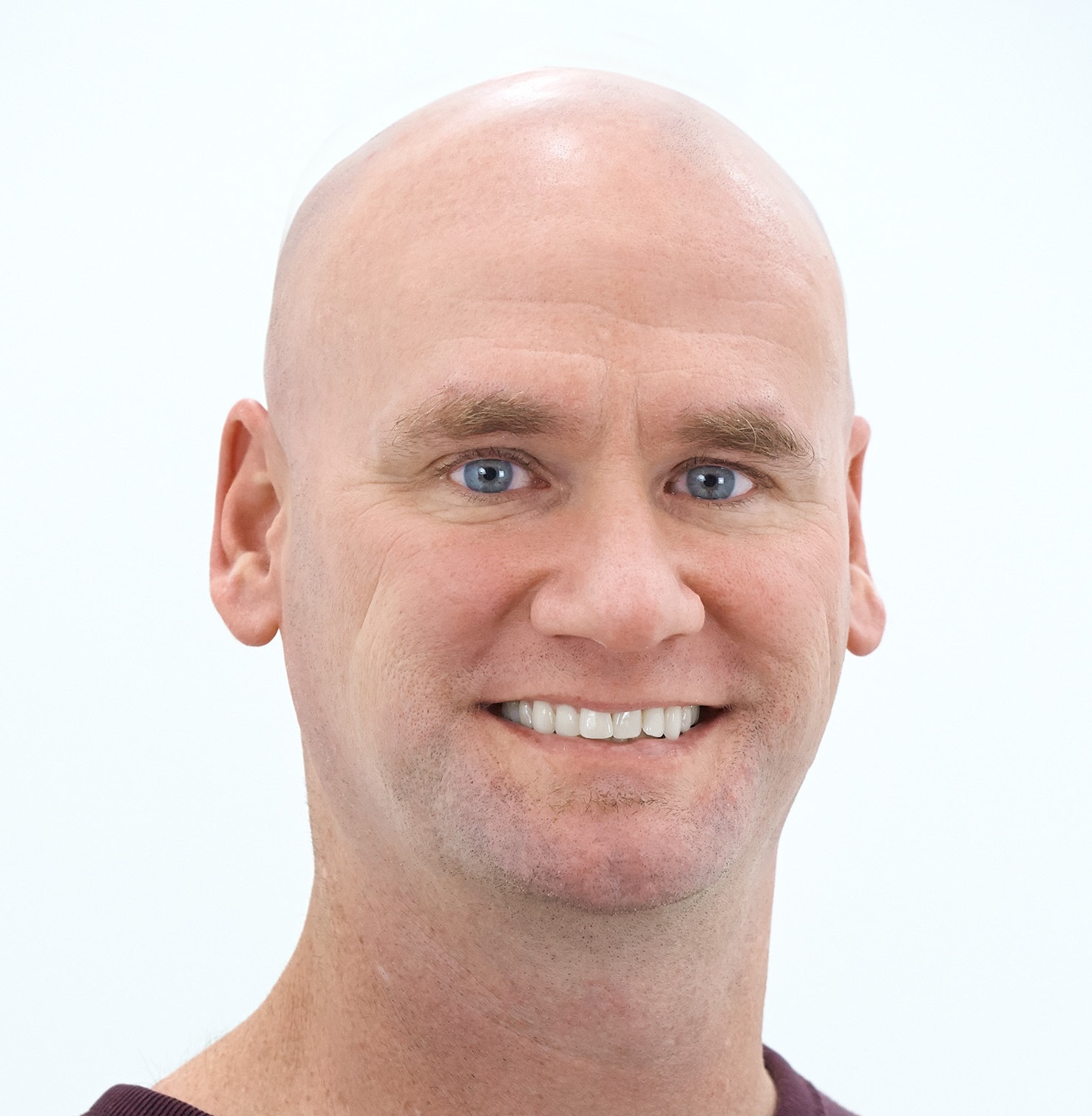
Founder and CEO of Workforce Alchemy | Bestselling Author
Mason is a bestselling author, workforce strategist, and creator of a decision-support tool that helps CEOs uncover and fix hidden profit leaks tied to turnover, disengagement, and team misalignment. His tools and strategies translate people-related challenges into clear, actionable business decisions—turning what’s often considered "soft" into measurable ROI.
Mason’s ideas have been featured in Selling Power, Entrepreneur, and The New York Times. He is the co-author of the bestselling books People Matter Most and Inclusive Leadership, which explore the intersection of business performance, employee engagement, and leadership effectiveness.
Mason equips executive teams with tools and tactics to solve workforce problems before they start, and create companies people don’t want to leave.

